Every service dog vest or harness program is more than a simple product-line extension. It sits at the intersection of fit, working use, brand presentation, and careful product language. The dog has a job to perform, the handler needs the equipment to stay manageable, and the brand needs a specification that a factory can quote, sample, and repeat.
The most reliable way to build that program is to work from the task outward. Start with how the equipment will be used, turn the dog’s measurements into a size system, keep the product promise separate from service-dog status, and define the construction before approving a sample. A clear sequence reduces costly revisions and helps the buyer ask better questions.
Define the Product Job and Intended Working Use
The first decision is not the color or the catalog name. It is the job the equipment must support. A mobility-focused handler may need a stable, well-distributed body contact area and carefully placed attachment points. A dog that mainly needs visible working identification may place more value on panel layout, patch placement, and easy adjustment.
This is why a generic request for a service-dog vest can produce the wrong first sample. The same word can describe a light identification layer, a more structured body harness, or a combined vest-and-harness concept. Procurement teams should describe the working situation, the handler’s handling pattern, and the features that must remain usable after the dog moves, sits, turns, or works in close contact with people.
Vest Layout Versus Body Harness
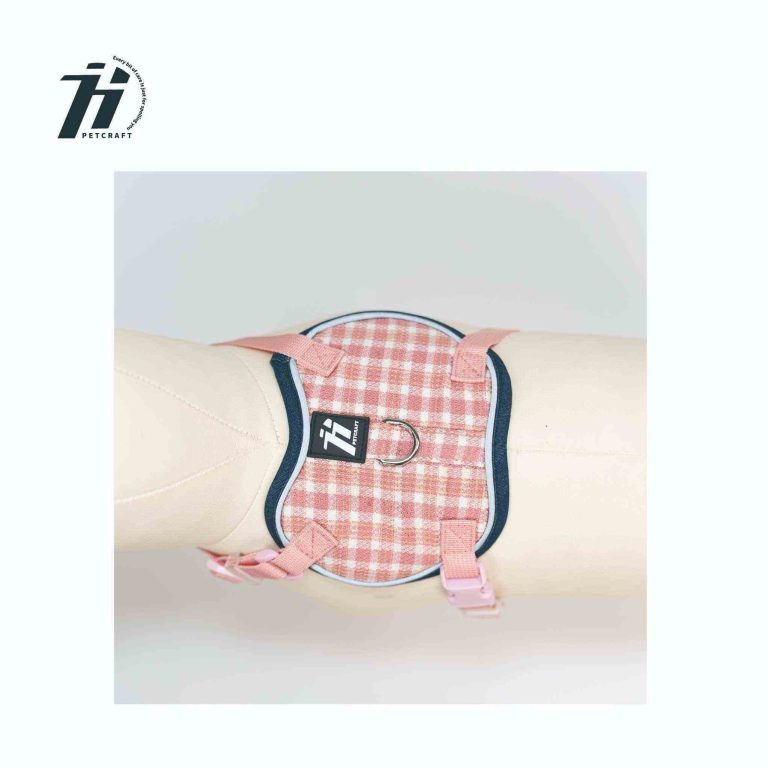
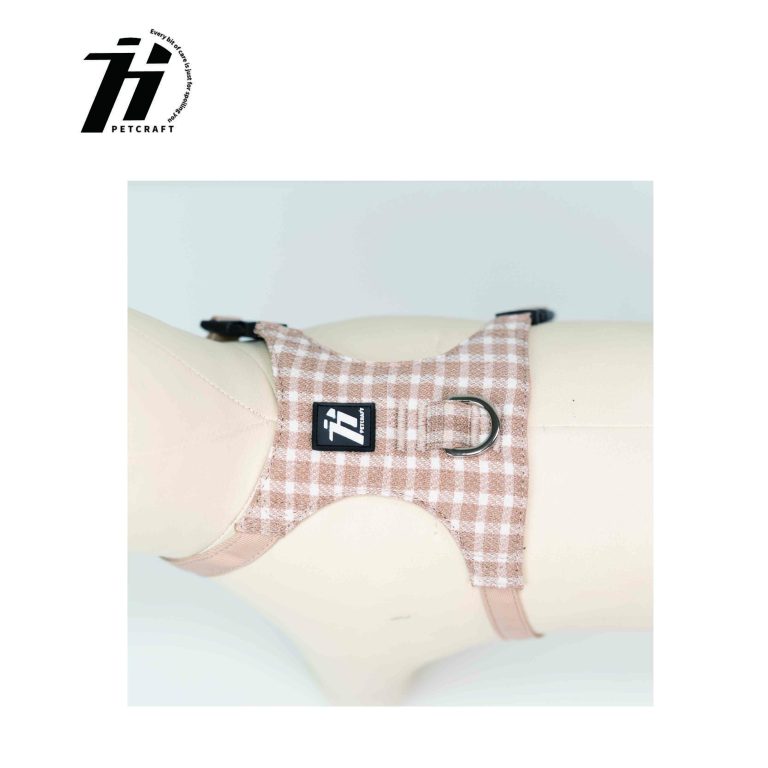
A panel-heavy vest layout offers more surface area for patches, logos, and identification cues. It can be the better starting point when visual communication is part of the product’s daily use. A body harness generally gives the designer more freedom to distribute contact and adjustment around the chest and back, which matters when the equipment must remain stable during movement.
The choice should follow the reader task rather than a trend. If the product needs both visibility and a more structured fit, the buyer may need a combined system rather than forcing one form to do both jobs. Reviewing the available pet harness options early can help the brand define what the factory should treat as the base structure and what must be developed for the service-dog program.
Set Non-Negotiable Fit and Feature Priorities
Before artwork begins, write down the features that cannot be sacrificed. These may include adjustment range, contact area, attachment-point placement, edge finish, patch access, or the space needed for a handle or logo. The list becomes a design boundary, not a wish list.
Plans should also identify which features can change after the first sample and which require a new construction discussion. If every feature is treated as flexible, sample feedback becomes a series of disconnected opinions. When priorities are clear, the factory can explain what affects fit, pattern, cost, or production consistency.
Build a Size System Around Dog Measurements
Every service dog program needs a size system, not a collection of guessed sizes. Begin with real dogs or accurate measurement sets that represent the intended range. The goal is to understand the body shape and adjustment window the product must cover, then decide where a new size or a bespoke version is genuinely necessary.
A size chart is useful only when the measurement method behind it is consistent. Measurement records should capture how each value was taken, whether the dog was standing or sitting, and what adjustment allowance was used. Those details help the factory compare the sample with the original fit intention instead of relying on a single chest number.
Chest Girth, Neck Measurement, and Adjustment Window
Fitting guidance for the documented harness program begins with chest girth at the widest point and neck circumference, then a check against the size chart. With a chest harness, leave room for two fingers between the strap and the pet’s body after adjustment to avoid chafing. Personalized recommendations can help when measurements are unclear. That method provides a practical starting point for reviewing a service dog vest template and the adjustment allowance around each size.
The adjustment window should cover normal posture changes without leaving large areas of loose strap that can shift. When a dog sits, turns, or changes pace, the contact points should remain predictable. Teams can test this on the sample by marking the normal adjustment position and then checking how much correction is available on either side.
Small Dogs, Senior Pets, and Special-Needs Fits
A service dog vest for small dogs cannot simply be a scaled-down version of a larger pattern. Narrow body proportions, shorter contact areas, and a smaller adjustment range can change where hardware sits and how edges behave. The brand should measure representative dogs and decide whether the main size curve can cover them or whether a dedicated pattern is more reliable.
Senior pets and dogs with unusual body shapes create a related challenge. Bespoke sizing can accommodate unique pet shapes and special requirements such as service dogs and senior pets. That capability should be treated as a project-level discussion, not as proof that every stock size will fit every service-dog use. That service dog vest for small dogs should also be reviewed in the actual wearing position, because a measurement table alone may miss where the hardware rests. In a small-dog program, send measurements, photographs of fit issues, and the intended adjustment range before the factory confirms the pattern.
Keep Product Claims Separate from Service-Dog Status
A service-dog product program needs precise language. Under the ADA public-access guidance described by ADA.gov, a service animal is a dog trained to perform a task directly related to a person’s disability. The dog is not required to wear a vest, and a vest does not by itself prove service-dog status. This distinction should shape the product page, packaging, artwork, and sales conversation.
For a brand, the opportunity is to sell useful equipment and clear identification aids, not to imply that the product creates legal status. The safer commercial promise is specific: the vest or harness supports a defined wearing pattern, offers certain adjustment and attachment features, and can be customized for the intended program. That is a product claim the factory can build and inspect.
What a Vest Can and Cannot Prove
The equipment can hold panels, improve visibility, organize attachment points, and help a handler present the dog’s working role more clearly. It cannot replace training, and it does not establish that a dog performs a disability-related task. The product should therefore avoid words such as certified, registered, approved, or official unless a separate, verifiable program actually supports that wording.
This boundary is also useful in customer service. Staff can explain what the product does without answering legal questions that belong to the buyer’s jurisdiction. The practical rule is simple: describe the equipment, the fit, and the intended use, then allow the dog’s training and applicable law to define service-dog status.
Write Product Claims Without Certification Language
When a buyer asks for a service dog vest official enough for public-facing work, the answer should focus on legibility and function rather than legal authority. Clear panels, readable lettering, strong contrast, and a stable wearing position can make a product easier to identify, but they do not turn it into a certificate.
The same principle applies to ID cards, patches, and matching accessories. A coordinated pet collar can carry a tag or identification information, while the vest carries the working panel or patch. Neither item should be marketed as proof that a dog is a service animal. Review every sentence that contains the phrase service dog vest official and remove any implication of automatic recognition or legal approval.
Specify Materials, Hardware, and Visibility as One System
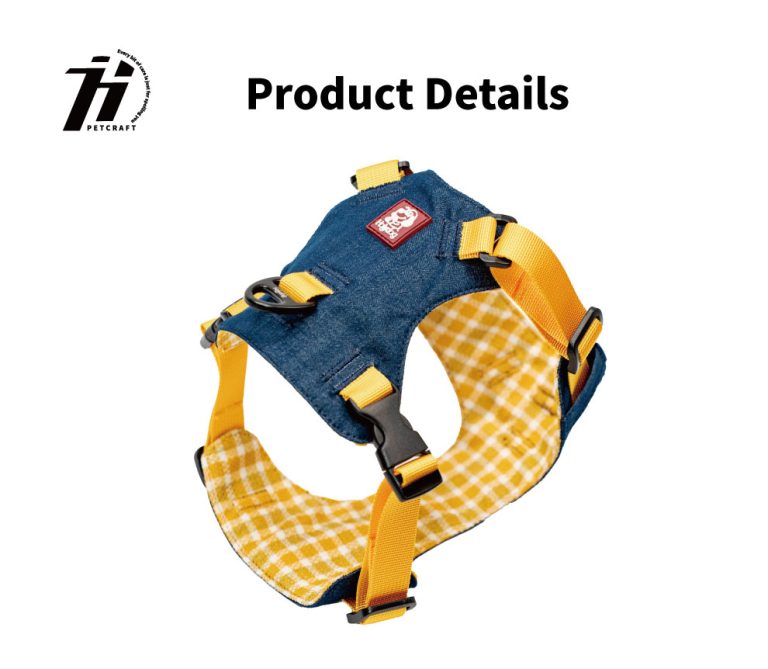
Construction choices should be written as a system because a change in one part affects the others. In the documented Holydog shockproof harness and leash set, the product uses an I-beam design with high-strength polyester fabric and a skin-friendly lining. Multi-adjustable alloy hardware and reflective safety strips address chest constriction, sudden thrusting, and poor nighttime visibility. The outer wear-resistant fabric is high-density polyester webbing with a tight texture and strong tear resistance. This product record also describes waterproof and stain-resistant properties, easy cleaning and drying after rain, and resistance to pilling or deformation with long-term use. These details belong to that specific product record and should not be generalized to every Holydog harness.
Translate the intended use into requirements for fabric hand, edge treatment, lining, buckle or adjuster type, attachment points, reflective placement, and any panel, patch, or handle. Each requirement should state its purpose. A reflective strip is not automatically adequate simply because it exists; its position and the area that remains visible in use matter.
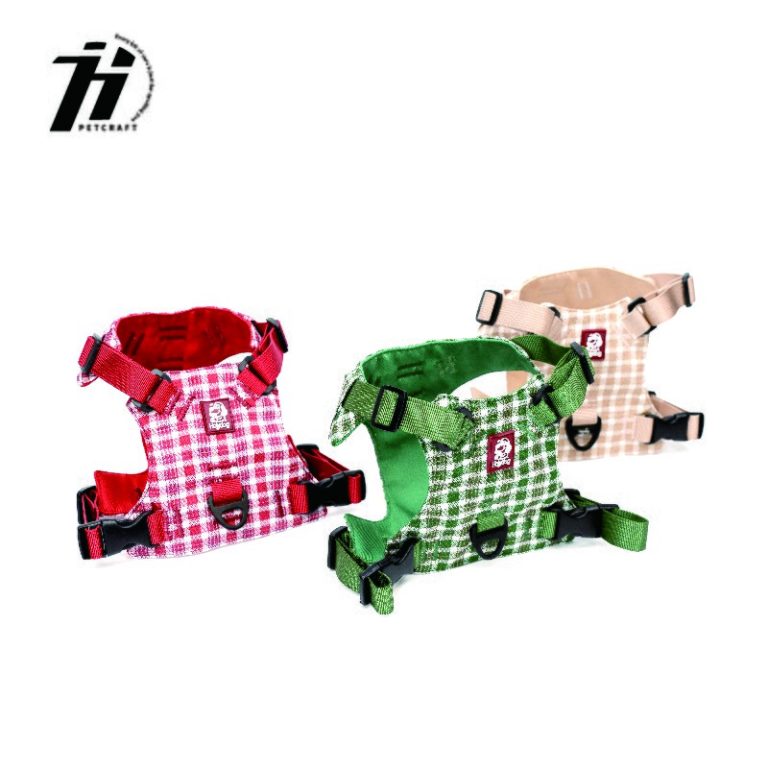
Color is another design decision that needs clear language. The phrase service dog vest color meaning should be treated as a communication question, not a universal legal code. Some colors may support a brand system, improve contrast, or match a handler’s preference, but the article should not claim that one color proves a service-dog role.
Asking the factory to create a color and material matrix can separate appearance choices from functional requirements. That matrix can support a service dog vest color meaning discussion with retailers without turning color into a compliance claim. It also gives the sampling team a clearer way to check that the approved color still preserves contrast, visibility, and patch readability.
Move from Approved Sample to a Repeatable Production Brief
The production brief should describe the product the buyer expects to receive, not only the product that looked right in a photograph. A complete brief connects the size range, construction, artwork, packaging, and acceptance checks. It also identifies which features are fixed and which may be adjusted within an agreed tolerance.
Holydog presents an OEM/ODM process that includes cutting, stitching, testing, packing, and shipment. Confirm how those steps apply to the specific program, including the construction checks that matter for the service-dog use. That discussion keeps the quotation tied to the actual product rather than a broad category.
Build the RFQ Package
A useful RFQ begins with the intended working use and the product form. Add the target dog measurements, proposed size range, adjustment requirements, material direction, hardware needs, reflective or panel placement, logo artwork, packaging, target quantity, and destination market. If a matching leash or walk set is part of the program, include it in the same brief so the attachment points and color system are reviewed together rather than as unrelated purchases. The pet leash range can be used as a starting reference for that adjacent component.
A complete question list should also identify what must be answered before sampling. For example: which size will be sampled first, which features will be tested, what artwork file is required, and what change would require a new pattern? A clear question list reduces the risk of receiving a quotation that cannot be compared with another supplier’s response.
Approve the Sample and Define Bulk Consistency
Custom programs can include logo printing through embroidery or sublimation, color customization, and multi-functional accessories such as reflective strips and emergency handles. Bespoke sizing can also address special needs such as service dogs and senior pets. Custom samples are typically ready within 7-10 days, with bulk production beginning after design approval. The OEM/ODM process includes cutting, stitching, testing, packing, and shipment. Confirm the final minimum order quantity against the selected construction, size matrix, color, logo, and packaging.
Sample approval should produce a record. Use the service dog vest template as the controlled reference, then mark the approved size, measurements, materials, hardware, artwork position, color reference, and packaging. Then decide which points must be checked again in bulk. When size, construction, or attachment layout changes later, the buyer should know whether the original approval still applies.
Conclusion
A strong service-dog vest or harness program begins with the working job, not the product name. Define how the equipment will be used, turn representative measurements into a size system, keep product claims separate from service-dog status, and specify the construction before moving into sampling. Holydog can discuss bespoke sizing for service dogs and senior pets, along with logo, color, reflective, and handle details when the project requirements support them. Send the target measurements, working-use notes, desired size range, construction direction, color and logo requirements, packaging plan, and target quantity so the team can review the actual program and quote from a complete brief.
FAQs
Q1: Does a service dog vest make a dog a service dog?
A1: No. The vest is equipment. Under the ADA public-access guidance described by ADA.gov, a service animal is a dog trained to perform a task directly related to a person’s disability, and a vest is not required.
Q2: Should a service dog program start with a vest or a harness?
A2: Start with the working job and the amount of panel or identification space the product needs. Such a vest may suit visible panels and branding, while a body harness may offer a more structured fit with distributed contact points. A combined approach can be appropriate when both jobs are required.
Q3: What should a supplier RFQ include for a service dog vest program?
A3: Include the intended working use, target measurements, size range, adjustment requirements, material and hardware direction, reflective or panel placement, logo artwork, color system, packaging, target quantity, destination market, and the checks required before sample approval.