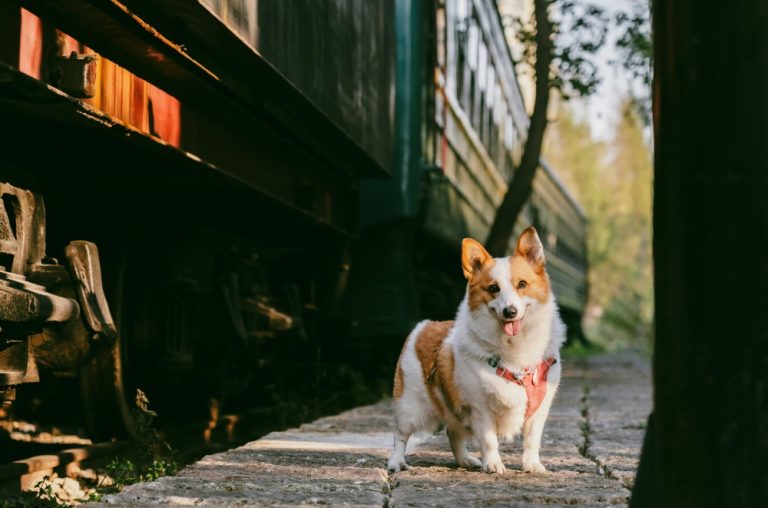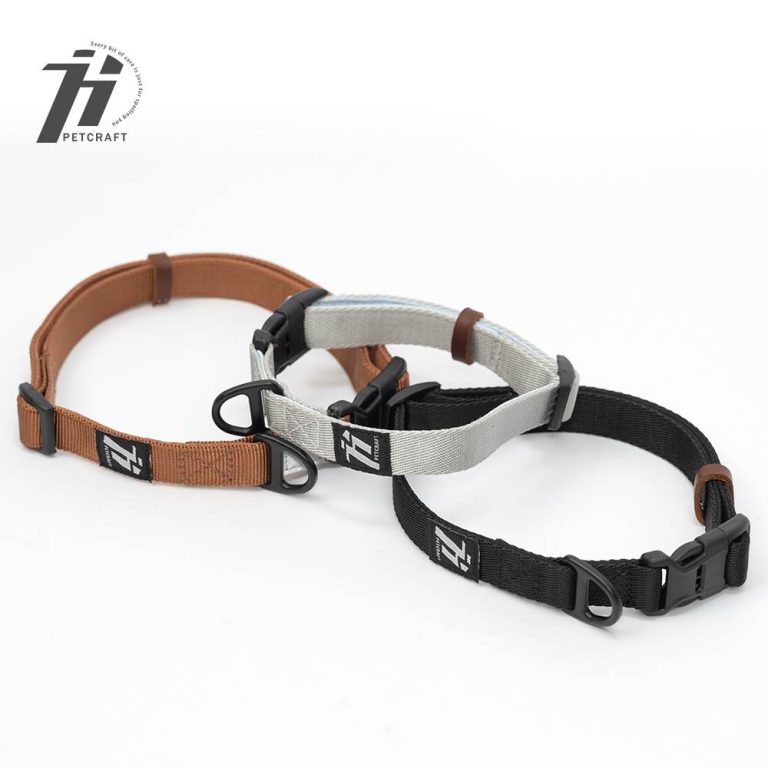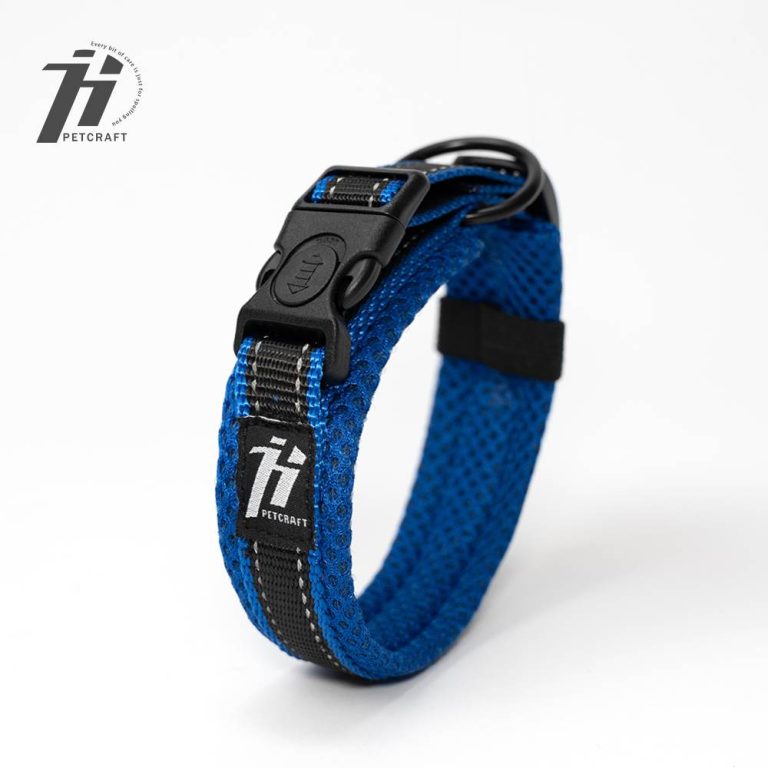
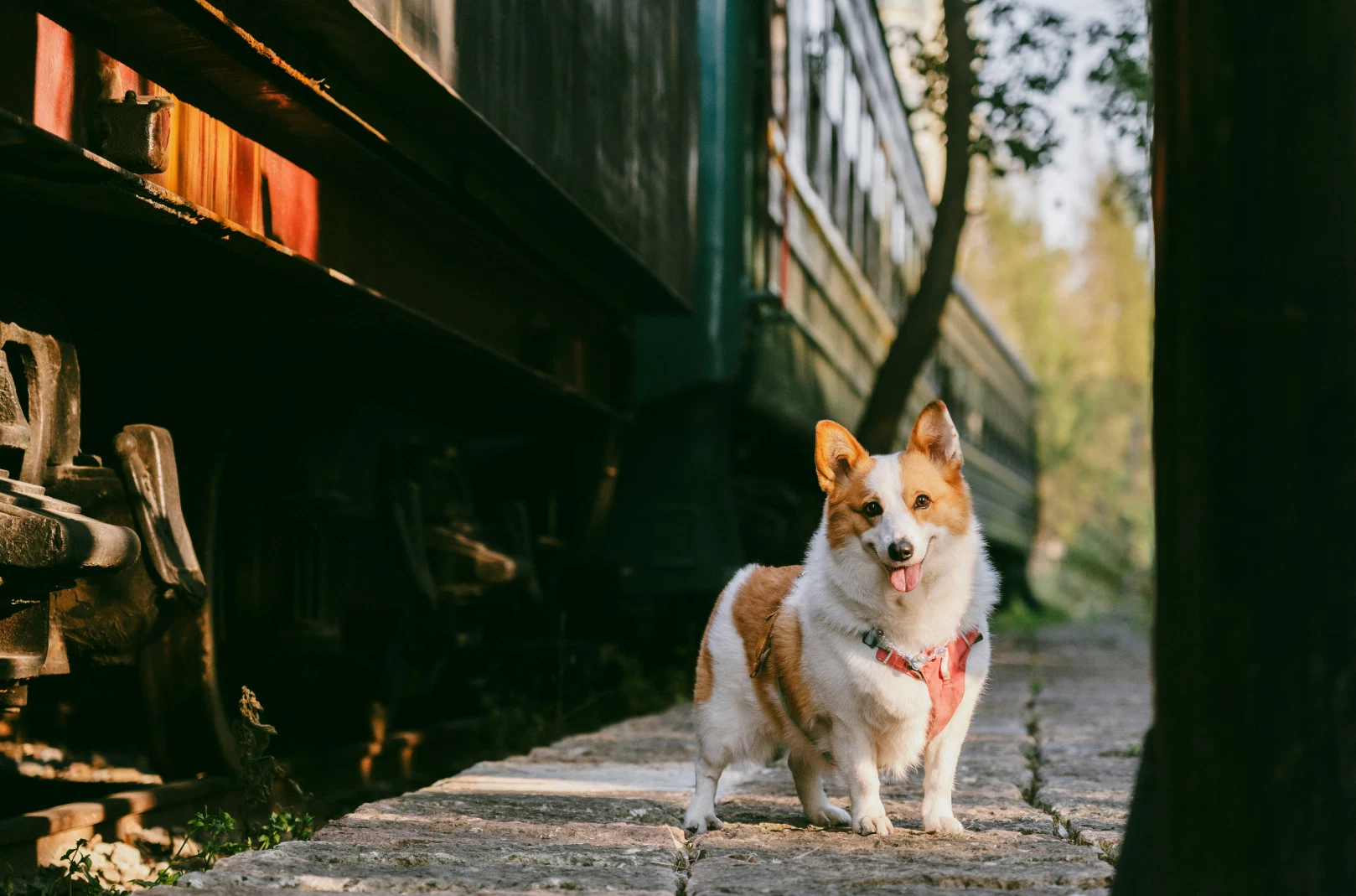
In the past few years, bringing pets along on outdoor trips has moved from a rare pastime to a common way of life. Whether it involves a short camping outing or a challenging trek up a hill, dog owners are more and more seeking equipment that matches their busy routines. However, a frequent issue still exists: numerous basic harnesses just do not sit properly. They slide off, they rub uncomfortably, or even worse, they fail when stressed. To ensure your furry friend remains secure, picking the correct adjustable dog harness is not merely an extra; it is essential.
This guide examines the details of protection, ease, and strength. We will investigate why specific items, such as a hiking dog harness or a padded dog harness, can turn a tense stroll into a pleasant journey. Additionally, we will consider how expert production enables these qualities.
Why Adjustment Matters: The Foundation of Safety
A harness depends fully on how it fits. Many pet owners choose wrong by picking a harness just by size. They forget the special shape of their dog’s frame. An adjustable dog harness matters a lot. It helps you adjust the fit to your dog’s exact neck and body sizes.
Preventing the “Houdini” Escape
Lively dogs, in particular ones with slim heads like Greyhounds or heavy necks like Bulldogs, can slip backward from a regular harness without trouble. A harness with several adjustment spots—mainly near the neck and chest—builds a firm barrier.
- Precision Fit: Search for harnesses with adjustment buckles on both the neck and chest straps.
- Growth Accommodation: For puppies, an adjustable design is key to handling growth bursts without buying a fresh harness each month.
- Seasonal Changes: An adjustable fit lets you ease the straps in winter if your dog puts on a sweater or grows a denser coat. You can then pull them tighter in summer.
Reducing Physical Strain
A poorly fitted harness cuts down on movement. If it swings too loosely, it causes tender spots from chafing. If it grips too firmly, it blocks breath. A proper adjustable dog harness should lie flat without cutting into the skin. The point is to share the pull evenly across the chest and shoulders. This keeps off the neck, which matters for protecting the dog’s throat during tough efforts.
Essential Features of a High-Quality Outdoor Dog Harness
When you leave concrete trails and enter wild spots, the needs for your tools shift. An outdoor dog harness has to withstand items like mud, dampness, and jagged sticks. All the while, it needs to keep your dog at ease.
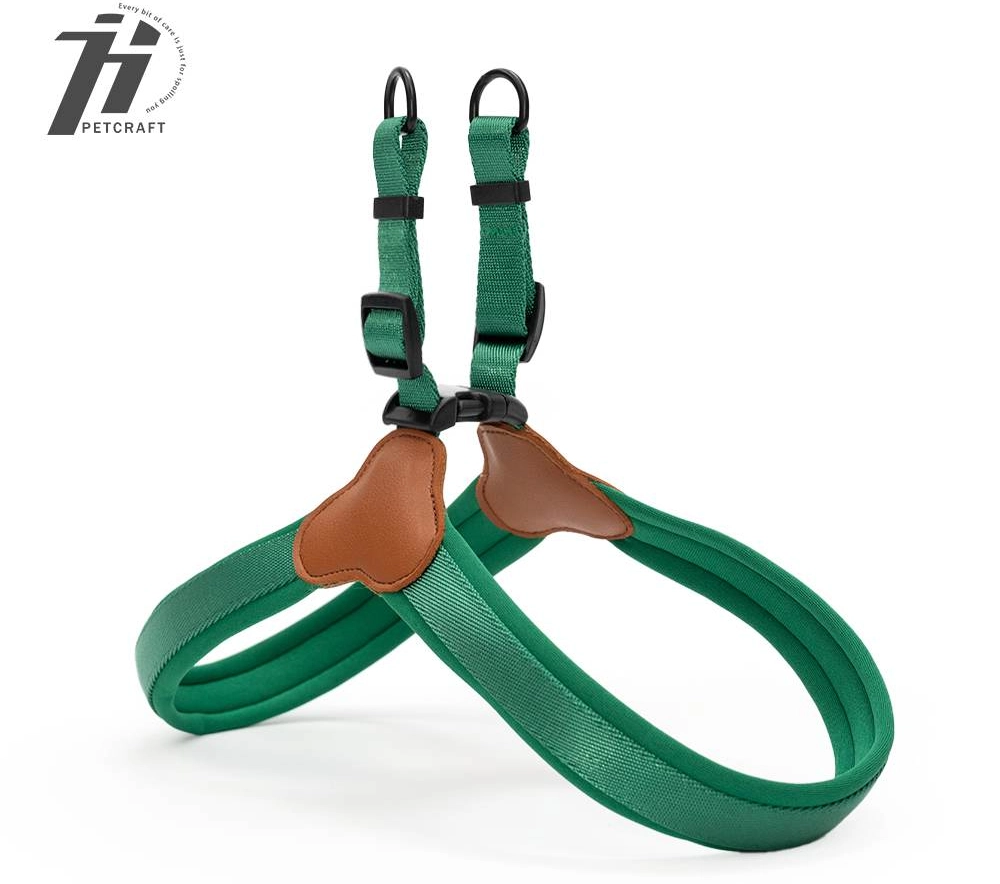
Material Durability and Weather Resistance
The cloth sets the length of the harness’s life. For outside activities, you require fabrics that are sturdy but not rough.
- High-Density Webbing: Pick harnesses built from high-density polyester or nylon. These fabrics give firm resistance to rips. They manage to last through scrapes from tree limbs or drags on stones.
- Waterproof Capabilities: An outdoor dog harness ought to repel water or dry fast. Soaked items can bring skin problems and unease. Fabrics that fight stains and wash simply after a dirty walk are strongly suggested.
- Alloy Components: Plastic clips can turn fragile in cool weather. Top harnesses employ rust-free alloy buckles and D-rings. These usually get tested to bear weights over 100kg. Thus, they hold firm if a big dog jerks.
The Importance of Padding for Long Treks
Like you would skip hiking in shoes without filling, your dog should avoid a belt-only harness on long paths. A padded dog harness is needed to stop irritation, mainly in the underarm spots.
- Skin-Friendly Lining: The finest harnesses include an inside layer from gentle, airy fabrics like non-woven fabric or diving cloth. This shares pressure when you hook a lead. It also blocks soreness or wear from extended time on.
- Shock Absorption: Certain newer styles add “diving fabric” or bouncy padding. This serves as a buffer. It cuts the force on your dog’s bones if they dash suddenly after a small animal.
Visibility for Day and Night
Safety covers more than power; it means getting noticed. A reflective dog harness stands as a vital safety tool for those who take dogs out at early mornings or late evenings.
- Passive Safety: Bright reflective bands placed in the cloth send back nearby light from road lights or auto beams.
- Traffic Reduction: In dim places, these bands greatly raise your pet’s noticeability. That lowers the chance of road mishaps.
Selecting the Right Gear for Your Activity Level
Every outdoor task does not call for identical gear. Spotting your main purpose—be it relaxed strolling or hard climbing—will aid in picking the best outdoor dog harness.
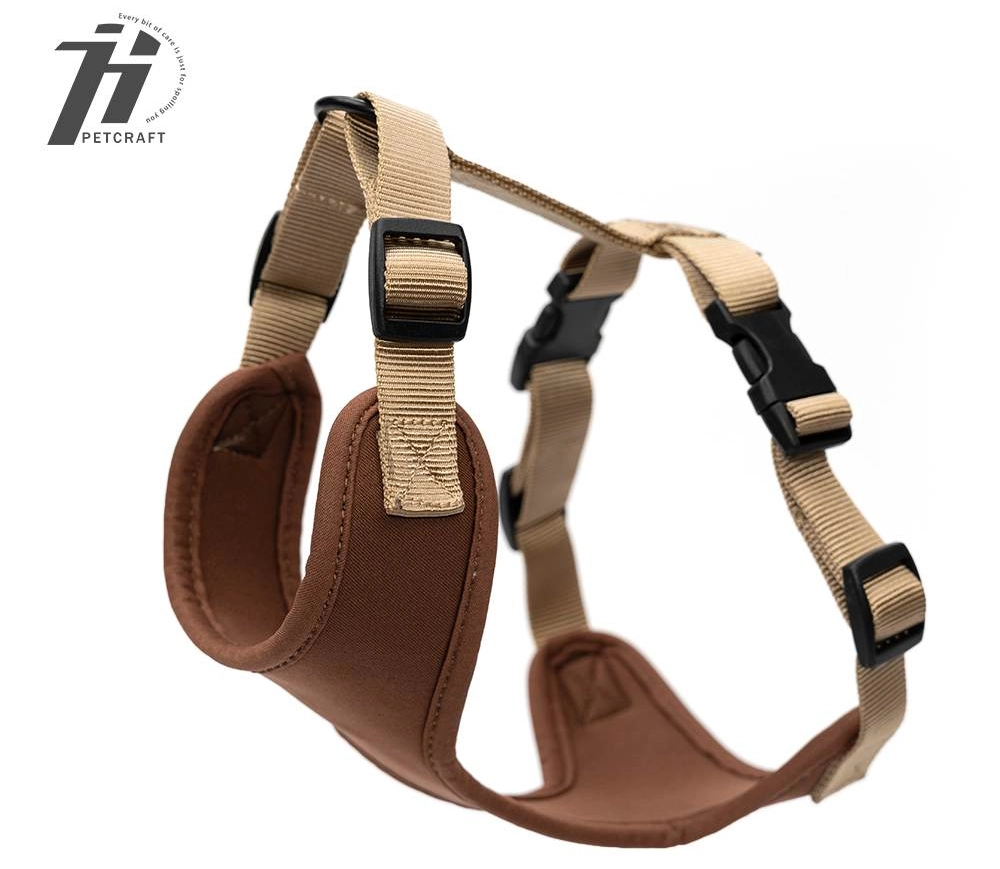
For the Serious Explorer: The Hiking Dog Harness
If you climb paths, you require a hiking dog harness. These commonly show a “Saddle” or “Vest” style wrap. It offers extra guard against bushes and prickles.
- I-Beam Structure: An I-Beam or Y-shape layout works better for busy dogs. It gives complete motion in the shoulders. At the same time, it holds the harness in place. This layout shines at spreading pull to each side of the chest and back.
- Control Handles: A real hiking dog harness usually has a handle on the back. You can use it to raise your dog over barriers or keep them near when going by other walkers.
- Dual Attachment Points: Seek harnesses with two D-rings. The front ring assists in fixing pulling habits in training. Meanwhile, the back ring suits easy walks.
For the Urban Adventurer: Lightweight and Secure
For routine city strolls or park runs, you may like a simpler setup that slips on and off with less effort.
- Quick-Release Systems: An alloy quick-release buckle brings real ease. It ends the annoyance of old buckles that stick. Plus, it speeds up getting ready for a walk.
- Step-in Designs: Light harnesses that skip full back covering work well to keep dogs fresh in warm months. Yet, they deliver the protection of an adjustable dog harness.
Professional Manufacturing and Customization
Locating a harness that meets all these criteria—flexible, cushioned, reflective, and robust—frequently directs you to expert makers. Firms like Holydog have devoted many years to improving these patterns. With more than 21 years in the protective gear field, Holydog grasps the skill and commitment needed to protect pets. Our manufacturing sites hold certifications from ISO9001 and BSCI, making sure each padded dog harness or reflective dog harness adheres to rigorous global safety rules.
For entrepreneurs or brand leaders aiming to join the pet sector, Holydog provides broad OEM and ODM solutions. Whether you seek a tailored hiking dog harness with a unique emblem or an entirely fresh build, our group can advance from prototype to output in as few as 30 days. Our items, such as the Saddle Style Pet Chest and the Diving Fabric Harness, demonstrate the harmony of strength and ease outlined earlier.
Conclusion
Choosing the right harness is one of the most proactive things you can do for your dog’s health. By selecting an adjustable dog harness that features durable materials, adequate padding, and reflective safety elements, you ensure that every outing is safe and enjoyable. Whether you need a rugged hiking dog harness for the trails or a padded dog harness for the park, prioritize fit and function.
Ready to upgrade your dog’s walking experience or looking for a trusted manufacturing partner? Explore the premium range at Holydog or contact our team to discuss your needs.
FAQs
Q: Why should I choose an adjustable dog harness over a standard collar?
A: An adjustable dog harness distributes pressure away from the neck, preventing tracheal injury and offering better control than collars.
Q: Is a padded dog harness suitable for hot weather?
A: Yes, if it uses breathable materials. A padded dog harness prevents chafing while allowing air circulation.
Q: How often should I replace my outdoor dog harness?
A: Replace your outdoor dog harness if you see frayed webbing or damaged buckles, usually every 1-2 years, depending on usage.