A collar reaches the bench the way every order does. Webbing first, hardware second, closure opened last. Webbing’s usually fine. Stitching’s usually fine. The closure is where the argument starts, and it’s the part brands write into the brief last.
Quick answer: pick the closure by release behaviour first, then material, then rated load. Belt-style holds under pull and opens only by hand. Side-release opens on two tabs, one-handed. Breakaway gives way under the pull itself. Getting that choice into the brief as five checkable fields is what keeps a quotation and a goods-in inspection honest.
The Hangzhou factory behind this range has run webbing, padding and hardware for 21 years. Protective equipment filled most of that time, long before Holydog added pet lines. One habit came out of it. Before quoting a closure, the question is which failure the brand is willing to explain to a retailer two years from now.
What a Collar Buckle Actually Controls
The Load Path From Webbing to D-Ring
When a dog hits the end of a lead, four interfaces eat the shock. The hook. The D-ring or O-ring. The webbing loop through it. The closure. Closure is where the direction of that load turns, and on a returned collar, that’s where the damage starts.
Side-release keeps the load inside its own housing, on two spring tabs. Belt-style pushes the load through a tongue into a punched hole, so tongue and hole split it. That’s what decides your first inspection point. Tabs crack. Holes tear. Tongues bend.
Sewn D-ring or moulded D-ring? The sewn ring splits the load between ring and stitching. The moulded ring sends all of it through the casting.
Release Behaviour as a Design Choice
Ask one question of any closure. Should it open while the dog pulls? A side-release does when a handler squeezes both tabs — and it also does when a fence wire catches those tabs side-on. A belt-style buckle won’t move until a person unbuckles it. Breakaway is built to give way under the pull of a panicking animal.
| Closure | Holds under pull | Opens fast | Best for |
| Belt-style | Strongest | No | Everyday wear, ID tags |
| Side-release | Moderate | Yes | Daily walks, crated dogs, play |
| Limited-slip | Strong, tightens | No | Dogs that back out of flat collars |
| Breakaway | Lowest by design | Under pull | Cat collars, snag risk |
The Buckle and Closure Types You Can Specify
Side-Release and Quick-Release Buckles
The side-release buckle — most buyers just call it a clip — is the default on webbing collars, harnesses and leads. Handlers like it one-handed. It barely adds weight to a dog’s neck.
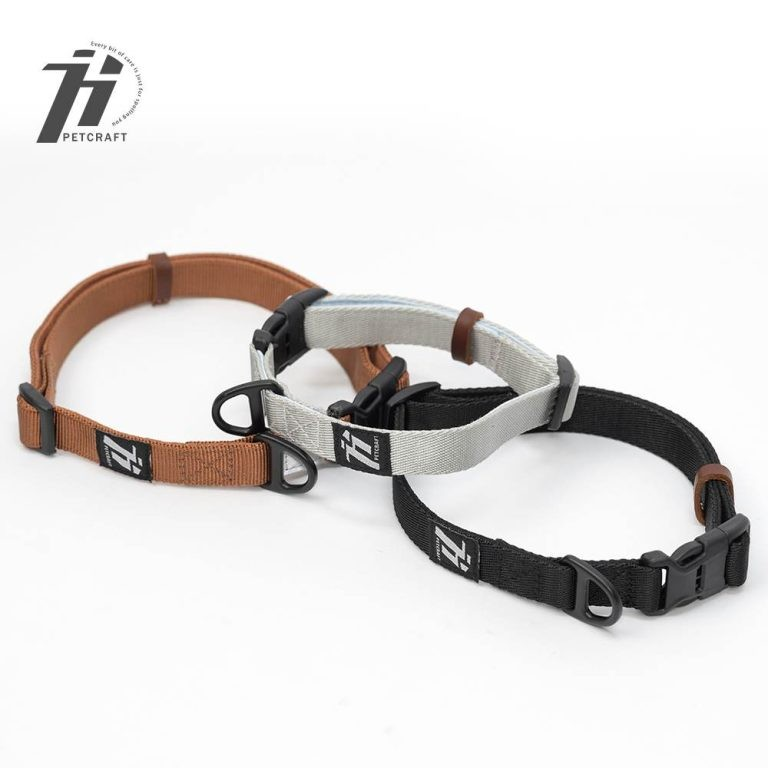
Load sits on two moulded tabs, so tab thickness and the material’s behaviour at temperature decide how much it’ll take. On the 1680D collar set the release part is a one-click alloy buckle, sitting next to an alloy adjustment buckle. Both count. Neck circumference on that set runs 20-35 cm in S, 30-50 cm in M, 40-65 cm in L, and the slider is what lets one size serve a growing puppy and a thicker winter coat.
Belt-Style and Slip or Limited-Slip Closures
Belt-style secures a collar harder than anything else in the range, and it’s the slowest to get off. Punched holes give fixed steps. One hole sits loose on the neck, the next sits tight, and there’s no slider to split the difference. On a dog whose head measures close to its neck, that step becomes the fitting problem — not the dog’s weight.
Slip and limited-slip tighten when the dog pulls back. They hold an escape artist, and they put that tension on the neck, which is why webbing width and lining matter more here than on a flat collar. The 1680D collar has a cushioned PU Rib inner face, waterproof and skin-friendly. That lining is what decides whether a tightening collar stays wearable week after week. When a dog backs out of any collar at all, the answer is to move the resistance to the body instead of the neck, which is what an escape-proof harness is built to do.
Breakaway Buckles for Cat and Small-Dog Programs
Breakaway opens under a set pull, so a snagged collar can’t hold an animal. Trigger force is the entire specification. Set it light and the collar drops off mid-walk. Set it heavy and you’ve paid for a safety feature that’ll never fire. Cat ranges are the usual home for it, and a programme pairing cat collars with light dog collars needs that force written per size.
Plastic, Zinc Alloy or Aluminium: Choosing the Material
Where Plastic Stops Working
Polyacetal and nylon clips are light, quiet and cheap to tool, and on a 12 kg spaniel they’re perfectly fine. Ask about the market before agreeing to them. A hard frost stiffens the tab. Two summers of UV on a shop shelf embrittle it. A 45 kg dog that slams the end of a lead forty times a walk works the same two tabs every single time. When a moulded tab goes, it goes in one clean snap — and it goes between one walk and the next, not gradually.
What Metal Hardware Costs and Returns
Cast zinc and machined aluminium don’t fatigue the way moulded tabs do. Aluminium is the lighter of the two, and on a big dog you feel that by the end of the hour. Neither metal arrives with a rating by itself. The rating belongs to a specific casting, spring and pin, so the quotation carries the supplier’s figure for that part and not for the word “metal”.
Corrosion, Finish and Colour Consistency
Salt air and wet grass test the finish before they test the mechanism. Blackened zinc alloy — the hardware on the 1680D collar set — holds up in humid conditions and doesn’t deform with it, which is how one hardware spec ends up covering a beach range and a city range. Colour is the second test. Two batches that darken differently look like two suppliers sharing one shelf, even when both buckles work.
Matching the Closure to the Dog and the Product Range
Dog Size, Pull Force and Neck Shape
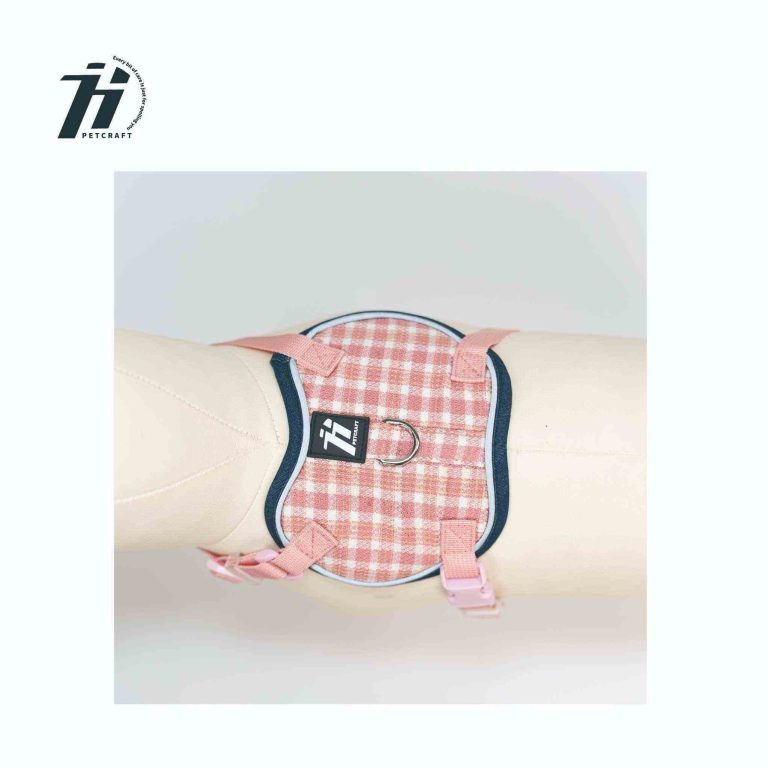
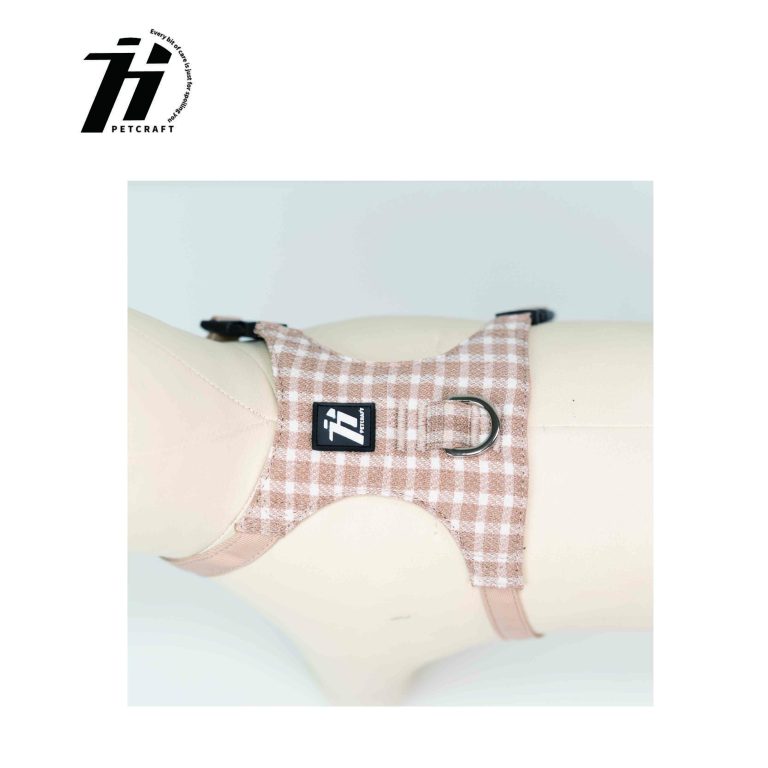
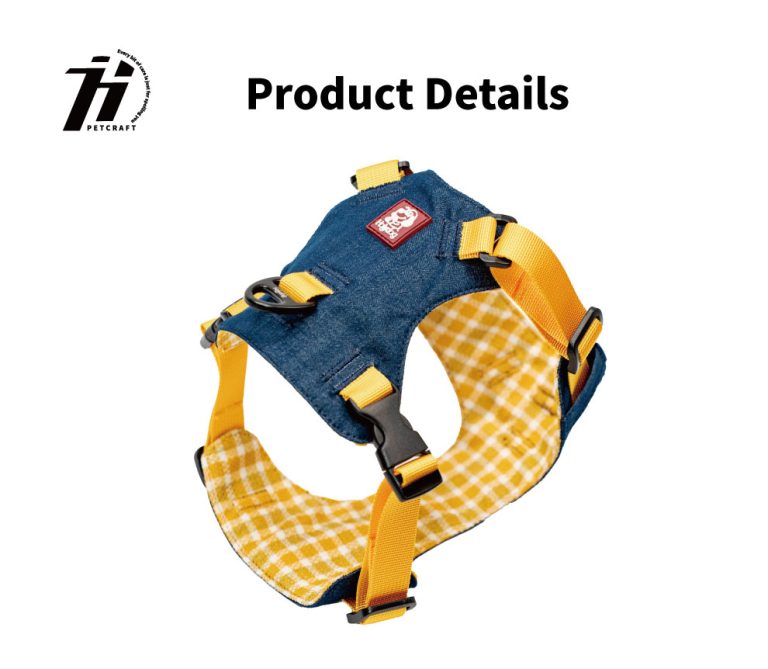
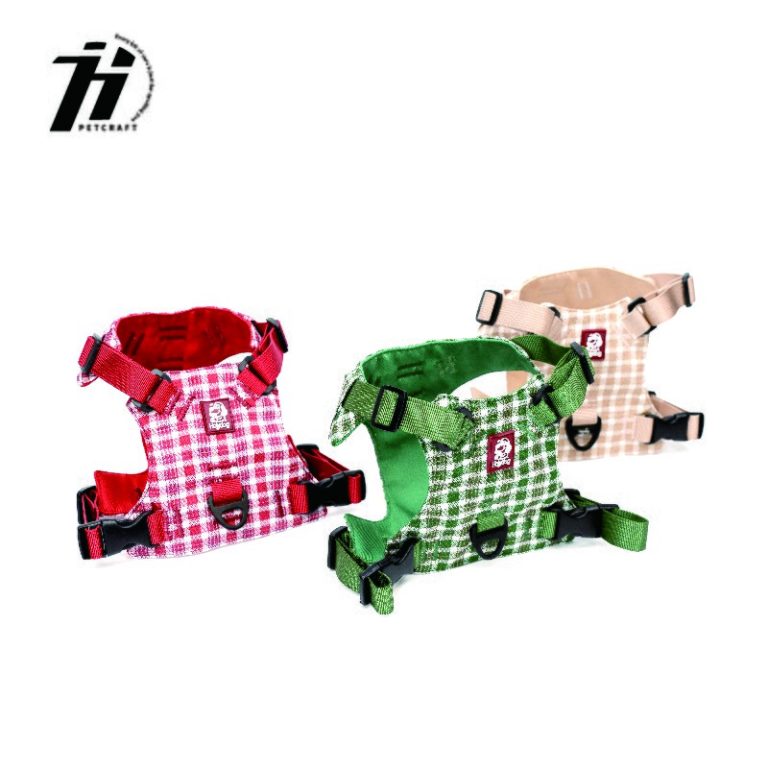
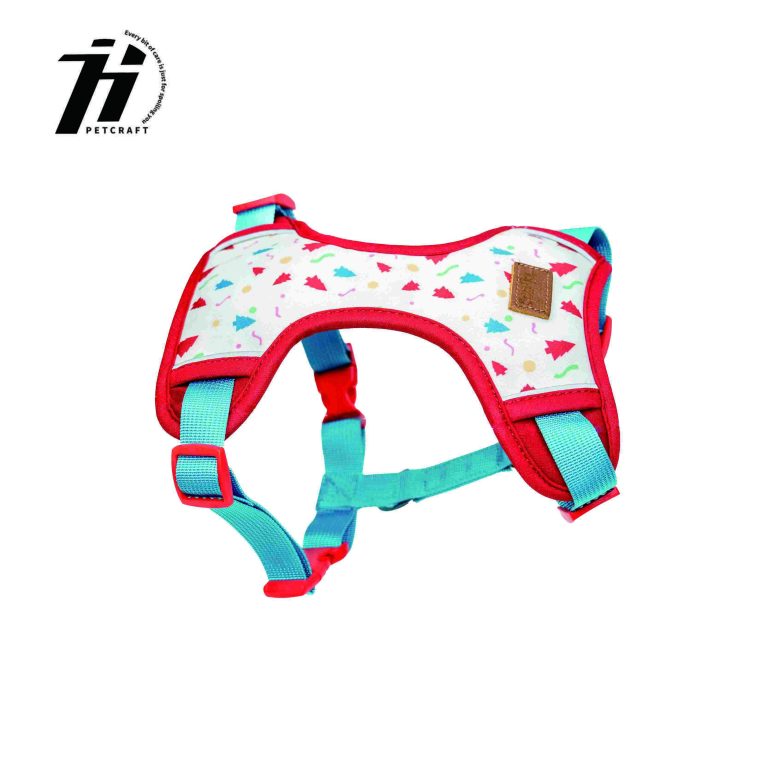
Pull force tracks body weight, so the rating you specify should track it too. The 1680D collar set spans 10-50 kg. The harness in the same line spans 4-32 kg, with an alloy buckle rated ≥80 kg and POM adjusters at neck, chest and back. Both are hard product edges. A 40 kg dog sits above the harness line’s 32 kg ceiling, and the collar set is where it belongs.
Shape matters more than size, though. If a dog’s head measures close to its neck, a flat buckle collar hands it the exit. That’s when a range needs limited-slip or martingale builds. The dog collars cut one closure across three neck bands instead of one universal length — the band, not the breed, is what a buyer picks from.
Sizing Adjustability Across a Range
Three neck bands can replace six when the closure adjusts well. A slider or a multi-point adjuster lets one size swallow a puppy’s growth and a thicker winter coat, and it decides how many SKUs the range needs. Everything here is hand-measured, so published neck ranges carry 1-2 cm of tolerance. Put that tolerance beside the size chart, where a retailer can point at it.
One check settles most fit questions. Two fingers flat between collar and neck, and the collar still not sliding over the head.
Writing the Closure Into the Specification
What to Put in the Sample Brief
A closure line the factory can quote from names five things: type, material and finish, rated load, release behaviour, size band. Written out, it reads like this — “blackened zinc alloy side-release, one-click, rated ≥100 kg, M band”. The sample cycle runs 7-10 days and bulk runs 30-45 days, so a brief missing one field costs a whole sample round. Brands building a range through OEM and ODM pet product programmes get the quotation written against those same five.
Add the two prohibitions as well. No sharp edges or tips anywhere a dog touches, and corrosion-resistant metal. GB/T 43839-2024, the Chinese safety standard for companion animals, lists both as mechanical requirements and adds colour fastness for textiles plus limits on heavy metals and phthalate plasticisers.
What to Verify Before Bulk Production
Verification splits by stage. On the sample: geometry, colour, and release behaviour measured on the actual webbing width. In production: tab engagement after cycling, finish adhesion on metal, colour match across the batch. After delivery: the supplier’s salt-spray and load evidence — the document that answers a retailer’s compliance question.
Keep the rating glued to the tested configuration. The ≥100 kg figure belongs to the alloy hardware on the 1680D collar set. A different buckle on the same webbing is a new part with a new evidence trail, and that gap is how an unsupported claim walks into a retail listing.
Range reviews raise the same question. Can the buckle be swapped? Physically yes, and a metal upgrade on an otherwise sound collar is cheap. The tested configuration and the load rating move with it, so a swapped buckle needs a new sample rather than a new line in the bill of materials.
Conclusión
Closure decides where a collar fails and whether it can be released under load, so it earns the same precision in a brief as webbing and lining. Name the five fields, and the part becomes quotable and inspectable. On the 1680D collar set the alloy hardware carries ≥100 kg and a one-click release, and those numbers describe that configuration alone. Carry them onto another buckle without matching evidence and every other figure in the brief starts to look soft.
Preguntas frecuentes
Q1: Are plastic buckles strong enough for a dog collar?
A1: Depends on the dog and the climate. A 10 kg dog on mild-weather pavement never works the tab hard enough to matter. What breaks moulded clips is repetition and temperature — hard pulling, all-day UV on a shelf, a cold snap. If your market includes those, quote a rated metal closure and stop guessing.
Q2: What is the difference between a quick-release and a breakaway buckle?
A2: Who opens it. Quick-release waits for a person to squeeze its tabs; breakaway opens on the dog’s own pull. Two different specifications follow — load rating and tab engagement for the first, trigger force per size for the second. That’s why cat programmes publish a force figure and not a weight class.
Q3: What load rating should a collar buckle carry?
A3: The rating belongs to the part, not the catalogue. The 1680D collar set’s alloy hardware is rated ≥100 kg for 10-50 kg dogs; the harness line’s alloy buckle is rated ≥80 kg across 4-32 kg. Copy either number onto a different buckle and you’re quoting a part nobody tested.