A personalized dog harness program is not just a harness with a name patch. For pet brands and retail buyers, it is a planned product line: fit, fabric, color, logo placement, packaging, sample control, and repeat-order consistency all have to work together. A cute first sample may get attention, but a full retail order needs better discipline.
The main question is simple: can the product look personal while still be stable enough for bulk sales? A buyer may start with a dog harness with name options, but the real work begins when the line needs three sizes, several colors, a clean product photo set, and packaging that does not confuse warehouse staff or online shoppers.
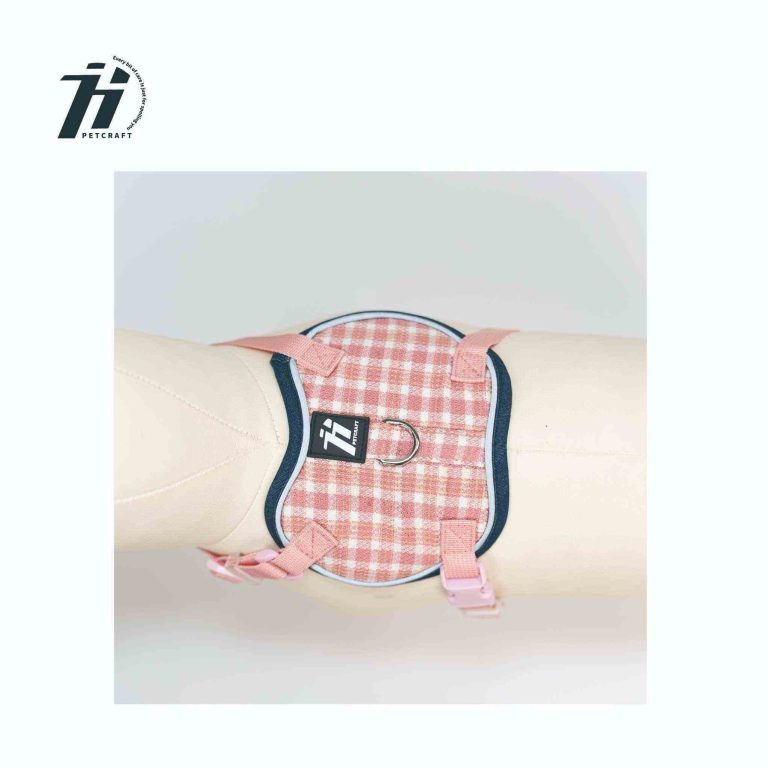
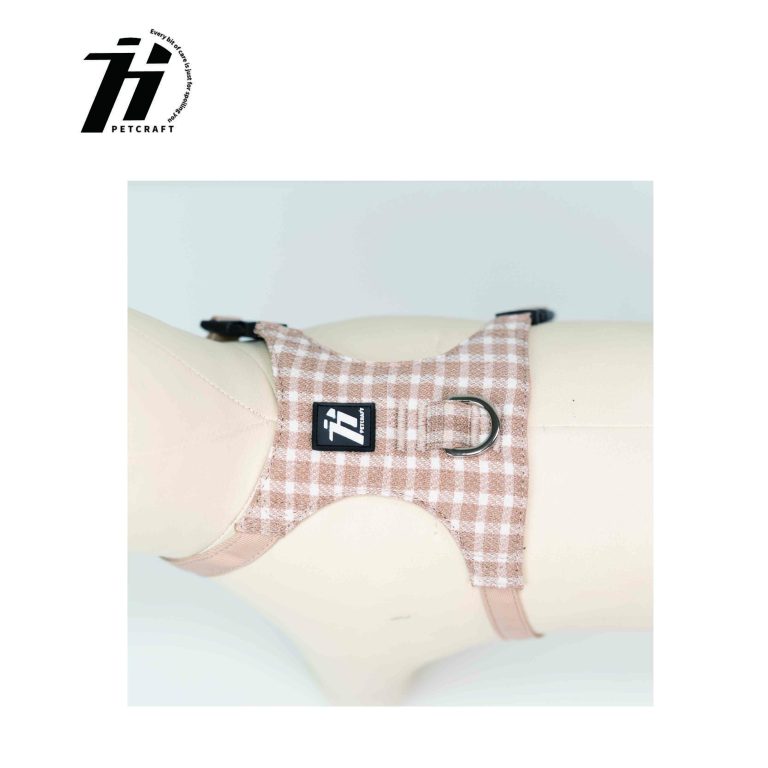
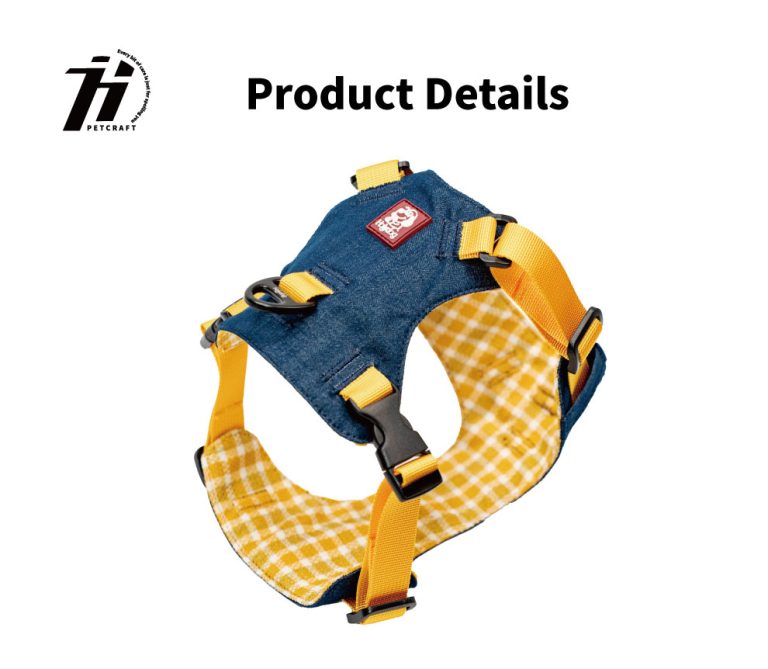
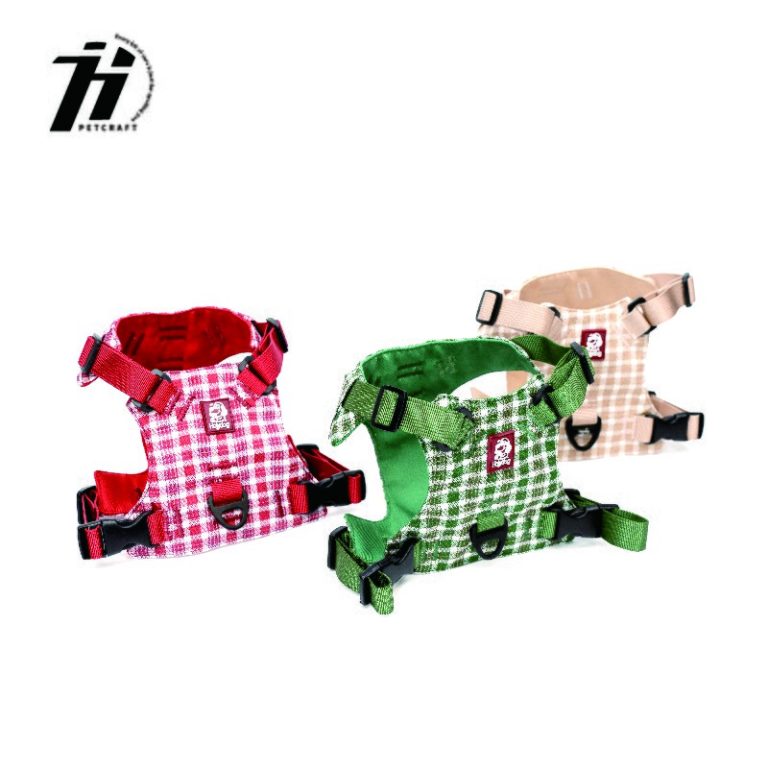
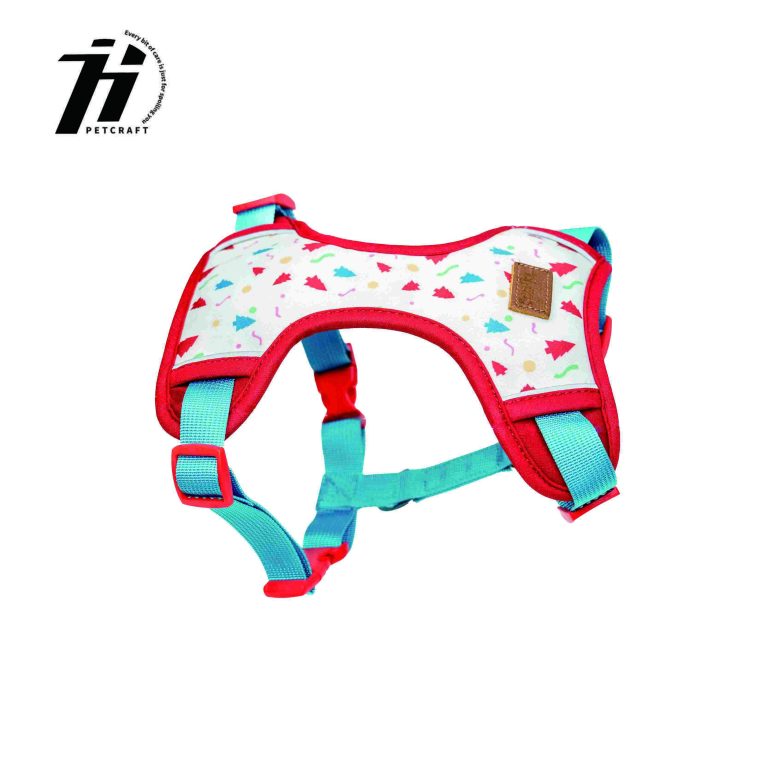
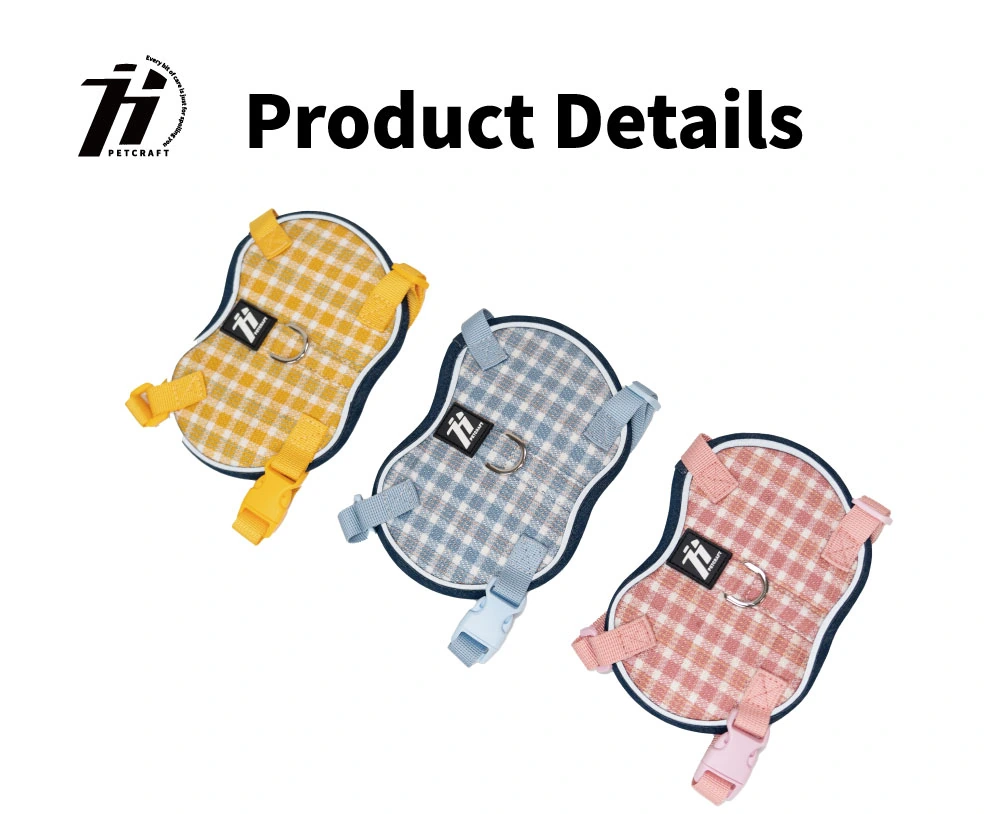
Holydog’s adjustable plaid pet vest harness gives a practical base for this kind of program. It uses polyester fabric and non-woven fabric, comes in XXS, XS, and S, and includes adjustable webbing, reflective strips, sturdy buckles, and a leash D-ring. Those details give buyers something more concrete to review than appearance alone.
Why Personalized Dog Harnesses Work for Retail Product Lines
Personalized pet products sell because owners want gear that feels specific to their dog. But for B2B buyers, the value is wider than emotion. Personalization helps a harness line stand apart from common stock, supports gift-style positioning, and gives stores a clearer reason to group products by color, size, or breed type.
Personalization creates a sharper product story
A standard dog harness can be listed by size and color. A personalized dog harness can be sold around identity, visibility, and fit. That story matters when shoppers compare many similar products online.
For a pet brand, name patches, logo labels, woven tags, and matched colorways help the line feel designed rather than assembled from random low-price items. This is especially useful for Amazon sellers, pet boutique owners, and distributors building a private-label range.
Retailers need repeatable SKUs, not one-off ideas
The risk with personalized products is overcomplication. Too many patch shapes, fonts, colors, or strap choices can slow sampling and create mistakes during production. A better route is to build a fixed program: two or three harness structures, a controlled size chart, several core colors, and clear logo or name positions.
Once that structure is set, the buyer can add personalization without rebuilding the whole product every time. This keeps the product line easier to photograph, list, reorder, and explain to sales teams.
What Buyers Need to Define Before Sampling
Before asking a supplier for samples, buyers should not only send a logo file. They need to define the commercial use of the harness line. Is it for small dogs, cats, puppy starter kits, premium gift sets, outdoor walking sets, or everyday retail shelves? Each answer changes the structure.
Target size range comes first
For personalized orders, sizing errors become more expensive because the product often carries a name, logo, or custom patch. Buyers should start with the body range they really want to cover.
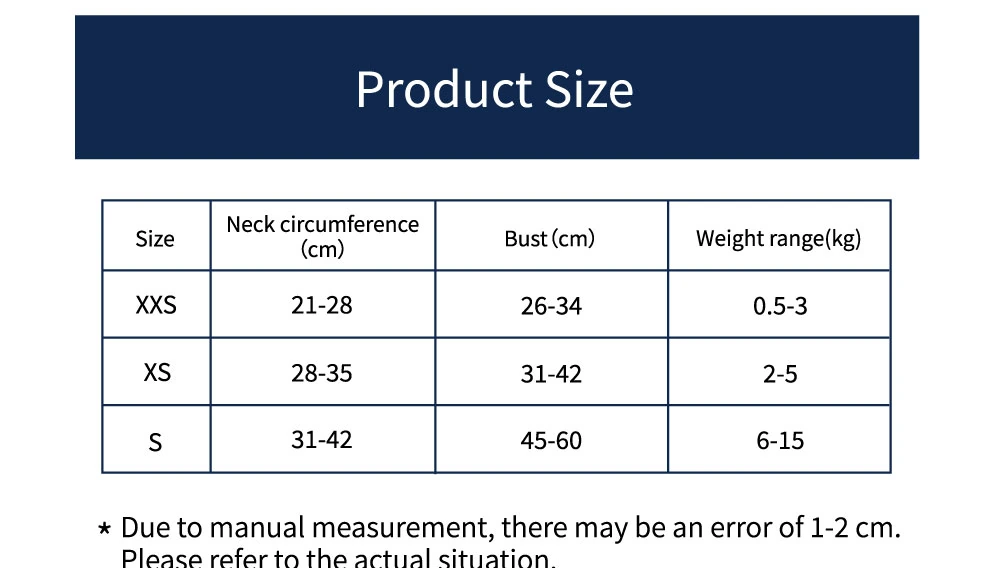
The plaid pet vest harness is a useful reference because its size table covers XXS, XS, and S, with neck circumference, bust, and weight ranges listed clearly. That makes it easier for a buyer to judge whether the product fits small-dog and cat-oriented retail lines.
Logo or name patch position should be fixed early
Logo placement is not only a design issue. It affects stitching, label size, photo presentation, and customer perception. A patch placed too close to a buckle may look crowded. A label on a curved panel may wrinkle. A name patch that blocks a reflective strip may weaken a safety feature.
The safer process is to fix the patch position during sample development, then keep that position across later colors. This one decision can prevent a surprising number of repeat-order problems.
Color direction should match sales channels
A pet boutique may prefer soft pastel colors. Outdoor stores may want darker tones and reflective details. Online sellers often need colors that photograph clearly on white backgrounds. For a personalized dog harness program, color is not decoration. It affects search images, bundle planning, and reorder decisions.
If the line already has a strong color story, it becomes much easier to expand into a dog harness and leash set or a matching collar collection later.
Which Harness Structures Fit Personalized Orders
Not every harness structure is suitable for customization. Some designs have too little flat space for a name patch. Others look good in photos but are harder to size across several dog breeds. Buyers should match structure with personalization method.
A broader pet product range also helps buyers pair harness designs with leashes, collars, or gift-style sets without making the personalized line feel disconnected.
Vest-style harnesses support clearer branding
A vest-style dog harness usually gives more visible panel space than a narrow strap harness. This makes it easier to place a logo label, woven badge, or small custom patch. It also helps product photos show the design without requiring complex angles.
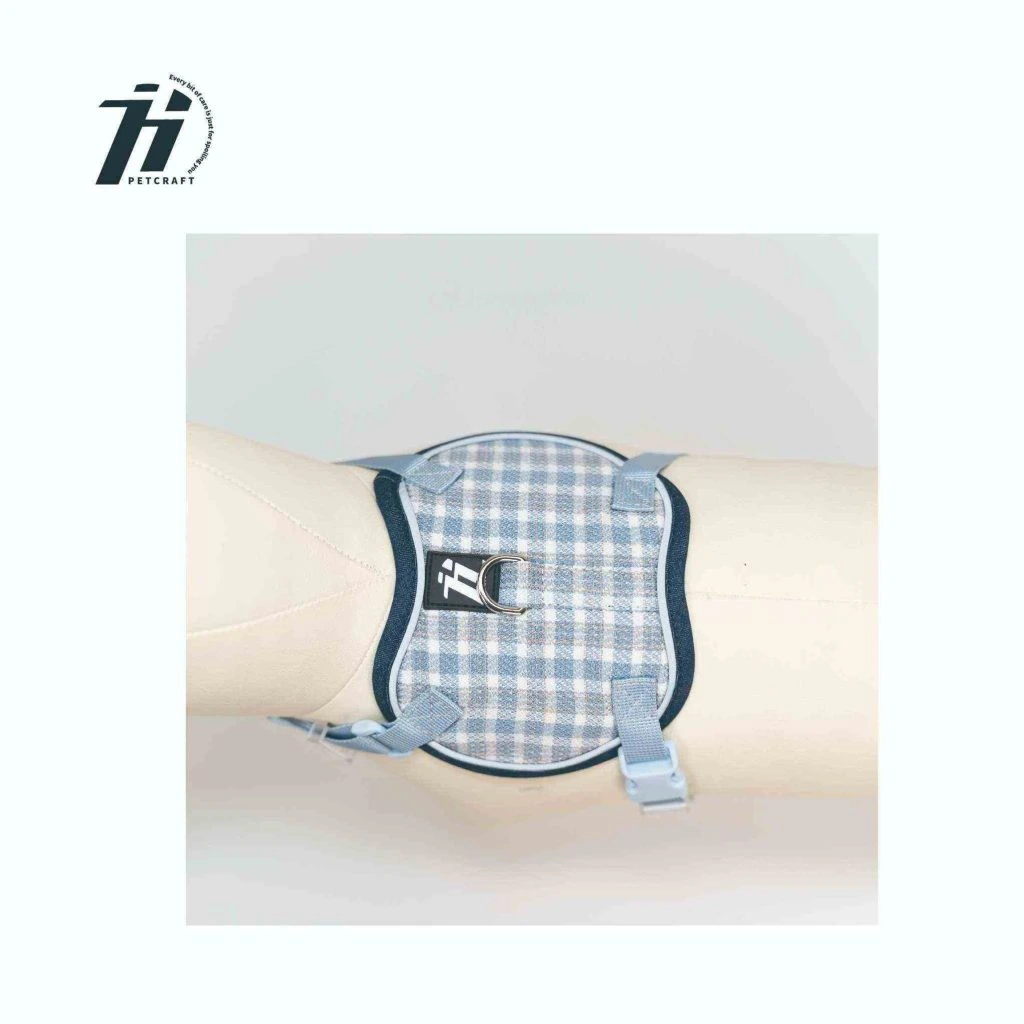
Holydog’s plaid pet vest harness has visible front and back panel areas, check-pattern fabric, adjustable webbing, and a D-ring for leash attachment. For a buyer, those features make it easier to evaluate both style and function in the same sample.
Adjustable soft harnesses reduce sizing pressure
Personalized products still need fit tolerance. Adjustable straps help reduce returns when buyers sell across small breeds with different chest shapes. The product should not depend on one exact body type.
The more practical sample check is this: after adjustment, does the harness sit flat, avoid twisting, leave the D-ring accessible, and keep the buckle easy to open? If not, a custom logo will not fix the product.
Material and Hardware Details That Affect Bulk Quality
Many personalized harness programs fail because buyers focus on artwork first and product build later. That is risky. A name patch may bring the first click, but fabric feel, buckle strength, stitching, and D-ring placement decide whether the product earns repeat orders.
Fabric and lining need comfort plus shape control
Polyester fabric is often used because it is light and practical for daily pet gear. In the Holydog reference harness, non-woven fabric adds another layer of comfort and durability. This matters for small dogs and cats because stiff edges can quickly lead to complaints.
For bulk orders, buyers should check edge binding, panel softness, fabric recovery after pulling, and whether the harness keeps its shape after packing.
Buckles and D-rings carry the real stress
Personalized decoration should never cover basic safety checks. The buckle must close smoothly. The D-ring should sit where the leash pull remains balanced. Stitching near stress points needs a clean and even finish.
For retail buyers, these details are not just technical. They affect return rates, review scores, and whether a customer trusts the next product in the same brand line.
Reflective details can be part of the selling point
Reflective strips are useful for low-light walks, but they must be placed where they remain visible after adding a logo or name patch. Holydog’s OEM/ODM support includes logo printing, color customization, reflective strips, functional accessories, and bespoke sizing, which gives buyers room to build personalization without losing the walking-safety angle.
If a buyer is already seeing too many similar harness listings, this is the stage where product structure should carry more of the sales story, not only the printed logo.
Custom Branding Options for Pet Brands
Custom branding works best when the supplier helps connect product design with retail execution. A personalized dog harness program may involve logo printing, embroidery, woven labels, size labels, hang tags, barcode stickers, and packaging. If these pieces are handled separately, errors become easy.
Name patches and logo labels should stay readable
Small products leave limited branding space. A logo that looks good on a carton may be unreadable on an XXS harness. Buyers should test real patch size during sampling, not only approve a digital mockup.
For dog harness with name programs, the lettering needs enough contrast against the base color. Black-on-navy, pale pink-on-cream, or small script fonts may look fashionable but weak in product photos.
Pattern and color customization should be controlled
Custom options are useful only when the buyer still keeps a disciplined plan. Too many variations can split inventory and make reorders harder.
A cleaner program might start with three core colors, one logo position, one packaging style, and a fixed size range. After the first retail cycle, the buyer can add new colors or seasonal patterns with better sales data.
Packaging needs to match the sales channel
A personalized dog harness for a boutique shelf may need a header card or gift-ready pack. An e-commerce seller may care more about barcode labels, polybag clarity, and packing size. A distributor may need carton marks and mixed-size packing that warehouse teams can read quickly.
Packaging is not just presentation. It reduces picking errors and helps the product reach shoppers in better condition.
Sampling, MOQ, and Bulk Order Checks
Sampling should test the whole program, not just one good-looking piece. Buyers need to review the harness, patch position, logo size, stitching, color, packaging, and size label together. A sample that passes only in photos can still fail in warehouse handling or customer use.
Sample approval should include real-use checks
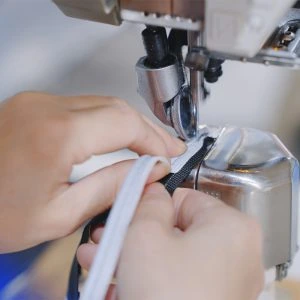
Put the sample on a dog model or mannequin. Attach a leash. Adjust the straps. Open and close the buckle several times. Check whether the name patch bends, whether the D-ring stays centered, and whether the stitching around the label looks clean.
Small checks at this stage prevent larger problems in bulk orders.
Bulk orders need size and color consistency
For personalized programs, every colorway should follow the same size logic. If the pink version fits differently from the blue version, reviews will not treat them as separate production details. Customers will see one brand problem.
Buyers should ask for clear sample records, approved color references, size charts, and packing instructions before production starts.
Supplier process affects repeat orders
For a personalized dog harness line, production steps such as cutting, stitching, testing, packing, and shipment matter because repeat orders must match the approved product story. When the buyer returns for the next batch, the logo position, strap color, size label, and packaging should not need to be explained again from zero.
For brands planning more than one trial order, supplier record-keeping is often just as important as the first sample.
Buyers that need a wider view of supplier background can also review Holydog’s company profile before moving from sample review to a longer private-label cooperation.
Conclusione
A personalized dog harness program works when the buyer treats it as a retail product line, not a single decorated item. The strongest programs usually begin with a stable harness structure, clear sizing, readable branding, controlled colors, useful safety details, and packaging that suits the sales channel.
For pet brands and retail buyers, the next step is not adding more random custom options. It is building a product that can be sampled, photographed, sold, reordered, and expanded without losing consistency. Holydog can support buyers with pet harness products, color and logo customization, reflective accessories, bespoke sizing, and production steps from cutting to shipment. If you are preparing a private-label harness line, you can share your harness project details and discuss the right sample plan before bulk production.
Domande frequenti
Q1: What is a personalized dog harness?
A1: A personalized dog harness usually includes a name patch, logo label, custom color, or brand-specific packaging.
Q2: Can Holydog support personalized dog harness orders for pet brands?
A2: Yes. Holydog supports logo printing, color customization, functional accessories, bespoke sizing, sampling, packing, and shipment.
Q3: What should buyers check before ordering custom dog harnesses?
A3: Check sizing, fabric feel, buckle strength, D-ring position, logo placement, stitching, and packaging details.