A leash with more metal can look safer at first. Weight alone does not tell you much. Look at the parts that connect the leash to the dog instead.
When a leash fails, the rope is not always the cause. A worn clip, a bent ring, or a buckle that does not latch properly can be the real problem. Making the entire leash from metal does not solve that. A chain can be noisy, hard on the hand, and awkward to carry.
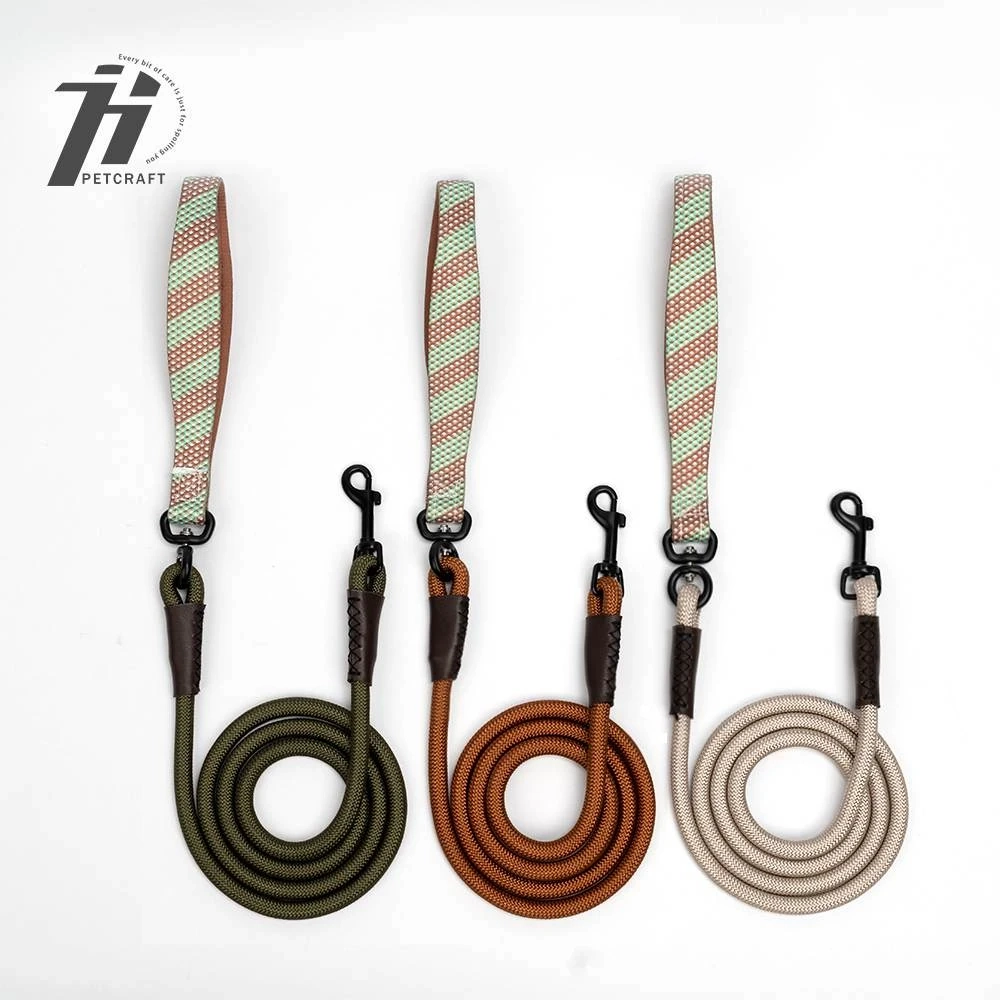
For most everyday walks, metal is most useful at the points that join the leash to the dog. Holydog’s P-buckle rope leash combines a 100% polyester braided round rope with a zinc-alloy P buckle. The rope stays flexible in the hand, while the buckle gives the leash a firm connection point.
What Part of a Dog Leash Should Be Metal?
The clip, the ring near the handle, and any buckle are the parts that need metal most. They should be easy to use, but they also need to stay shut while the dog is moving.
After the clip, the rope has a different job. It needs to bend around corners, lie comfortably in the hand, and stay quiet on a walk. A metal chain can take force, but it is heavier and less comfortable to hold than woven rope. For that reason, the most sensible dog leash clip is attached to a flexible leash body rather than replacing it. When comparing a dog leash clip, also check its opening, spring action, and connection to the rope.
Holydog’s P-buckle rope leash follows this approach. The product page describes its polyester rope as strong, wear-resistant, flexible, and resistant to pulling. Its zinc-alloy P buckle is designed to open and close smoothly while resisting rust and bending. Holydog lists it for pets under 25 kg. That weight range gives buyers a clearer idea of where the leash fits.
That limit matters. Metal hardware is not a substitute for checking the leash size, the dog’s weight, and the condition of the stitching or rope. A well-made clip attached to a leash that is too thin is still the wrong choice.
Is a Rope Leash Better for Everyday Walks?
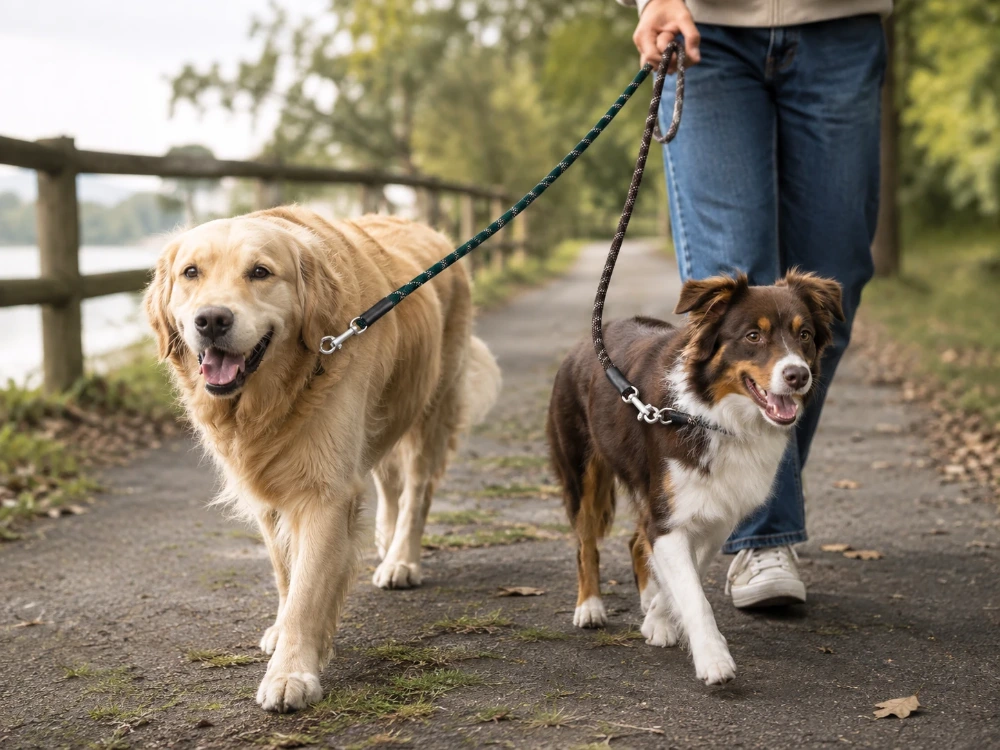
For many owners, a rope dog leash is easier to live with than a metal chain. It can bend when the dog changes direction, fit into a bag, and rest against the hand without the hard links of a chain. Polyester rope can also be wiped or rinsed after a walk on a dusty path.
That does not make every rope leash strong. Look at how the rope is made, how the ends are finished, and how the clip is connected. A loose knot, rough cut edge, or small ring can become a weak point even when the rope looks thick in a product photo. A useful pet leash collection should make these differences easy to compare.
Holydog’s P-buckle rope is a good example of why the rope and hardware should be judged together. The round polyester rope is flexible and not easily tangled, while the zinc alloy P buckle gives the owner a stable attachment point. The result is a leash that can work for daily walks without feeling like a piece of industrial equipment.
The owner’s hand matters too. A leash that causes pressure across the palm may be hard to use during a longer walk. Holydog’s anti-slip handle leash takes a different route, using a soft diving-material handle with a nylon-like rope body and zinc alloy fasteners. It is listed for small and medium-sized dogs under 25 kg. This kind of design is useful when comfort and grip matter as much as the clip.
When Does a Metal Clip Make a Real Difference?
A metal clip earns its place when the dog pulls suddenly, the leash gets wet, or the owner needs to connect and disconnect it many times. A clip that is difficult to operate can make a normal walk frustrating. A clip that does not lock firmly can create a much more serious problem.
Check three simple things. First, does the clip close completely without sticking? Second, does the ring stay in its original shape when the leash is pulled by hand? Third, is the metal surface suitable for the conditions where the leash will be used? Zinc alloy can be useful when it is finished well and matched to the product’s intended load. It should not be treated as proof that a leash is indestructible.
This is also where the phrase waterproof dog leash needs careful reading. A metal clip that resists rust is not the same as a leash that is waterproof from end to end. The rope, stitching, lining, coating, and care instructions all matter. If the leash will be used near rain, mud, or water, ask how each part should be cleaned and dried.
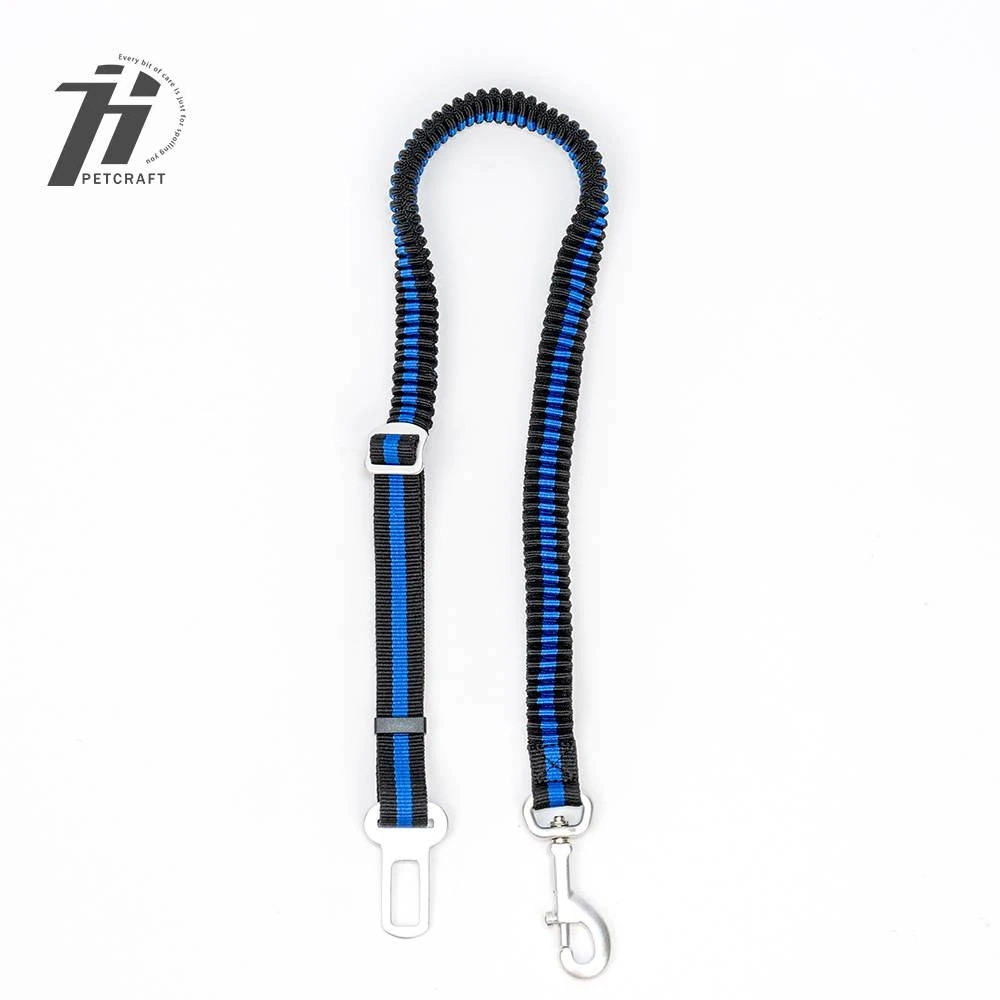
For a dog that pulls hard, a different construction may be more suitable. Holydog’s buffer traction rope is presented as a high-elasticity leash with nylon webbing and aviation aluminum buckles. The stretch in the rope is intended to soften a sudden tug. That is a different solution from simply adding heavier metal. It shows why the right leash depends on the dog’s movement, not only on the material name printed in a product listing.
How Should You Match Leash Materials to a Dog’s Routine?
Choose for the walk your dog actually takes. For a short walk around the block with a small dog, a light rope, a comfortable handle, and a simple clip may be enough. After a muddy walk, it helps to have a leash that rinses clean and hardware that is less likely to rust. A dog that lunges may need shock absorption, wider webbing, or a stronger connection system.
A durable dog leash should still be comfortable in the hand, keep its shape, and stay attached when the dog changes pace. You should be able to spot wear before it causes trouble. Check both lines of stitching, then look for frayed rope, flattened areas, a slow clip, or a ring that is beginning to open.
The dog’s size also changes the decision. P-buckle rope leash and rope dog leash are presented for smaller and medium-sized dogs under 25 kg. They should not be promoted as the default choice for a very large dog simply because their metal buckles look strong. Product pages, packaging, and sales teams should show the intended weight range clearly. This protects the dog and reduces returns caused by a mismatch between the product and its use.
Material choice should also include the owner. Some people want a soft handle for a long city walk. Others need a leash that can be rinsed after a trail. Some need a compact product for travel. The best choice is the one that solves the repeated problem without adding a new one.
What Should Brands Test Before Choosing a Leash Material?
Brands should test the complete leash, not only the clip in a sample photograph. Put the leash through repeated opening and closing. Pull the rope from different angles. Check the stitching, the connection point, and the ring after the sample has been used and cleaned. A material choice that looks good on a specification sheet still needs to work in a hand and on a moving dog.
The test should cover more than maximum force. Ask whether the clip is easy to operate with one hand. Check whether the rope becomes stiff after washing. Look at the surface after contact with sand, grass, and damp ground. Measure whether the leash is comfortable for the intended dog size. For a product line, test the same hardware across different rope widths instead of assuming that one result applies to every model.
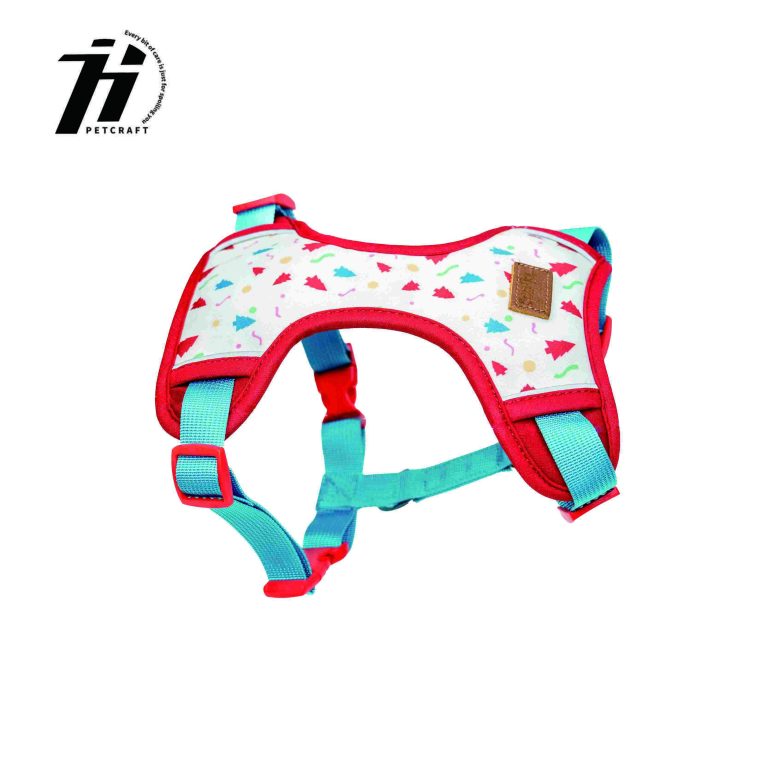
Holydog supports OEM/ODM customization for pet leashes, collars, harnesses, and toys. The company states a 500-piece MOQ, sample cycles of about 7-10 days, and bulk production of about 30-45 days depending on complexity. A brand can use this stage to confirm the rope, clip, handle, color, logo position, and packaging as one product rather than changing one part at a time after launch. The OEM/ODM pet leash program is the natural next step when a team has a clear use case and wants to test a complete range.
Before placing an order, write down the target dog weight, the main walking environment, the preferred handle, the rope or webbing type, the hardware finish, the cleaning method, and the warning information. Those details make a sample useful. They also help a retailer explain why one leash is for daily walking while another is for stronger pulling or rougher ground.
Conclusion
Metal is useful, but it does not need to run through the whole leash. A flexible polyester or nylon-style rope is lighter to carry and kinder to the hand. Good metal hardware gives the rope a dependable connection to a collar or harness.
Think about the whole leash, not one material. Consider the dog’s size, the usual route, the handle, the rope, the clip, and the cleaning needs. The best leash is the one that works well on the walks you actually take.
FAQs
Q1: Is a metal dog leash safer than a rope leash?
A1: Not necessarily. A strong clip matters, but so do the rope, stitching, handle, and the leash’s weight rating. All of them need to suit the dog and the walk.
Q2: What is the best material for a dog leash used in wet weather?
A2: Check how the leash is built. Rust-resistant hardware is useful, but the rope, stitching, finish, and care instructions matter just as much in wet conditions. A metal clip alone does not make a leash waterproof.
Q3: What should a brand check in a dog leash sample?
A3: Check the rope or webbing, stitching, clip movement, ring shape, handle comfort, cleaning result, and intended dog weight. Test the complete leash through repeated use instead of judging the hardware alone.