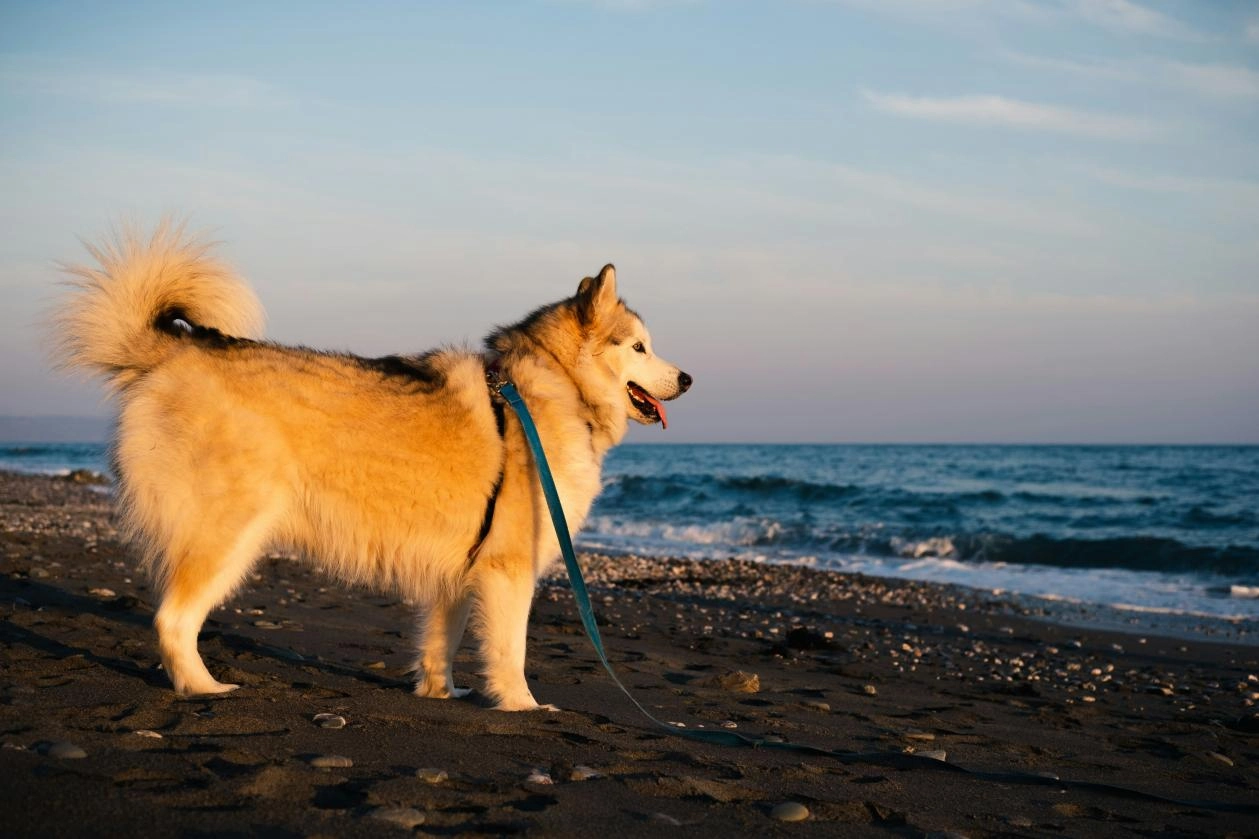
Summer 2026 has arrived, and bringing your dog to the shore likely tops your weekend plans. Yet nothing spoils a fine day by the water more swiftly than a stuck, faulty leash fastener. If you have ever attempted to release your damp, gritty dog for a quick run, only to discover the metal hook fully locked by corrosion, then you understand this irritation well. The straightforward solution to this frequent problem? You require the best rust proof dog leash designed especially with sea-ready fittings and protected straps.
Ordinary nylon leads and low-cost metal hooks simply give way near seawater. They take in sea liquid, hold grit, develop unpleasant germs, and corrode in mere days. This goes beyond mere bother; it endangers your dog with the chance of slipping free in a crowded open area. By picking a suitable waterproof dog leash, you promptly address the odor, the corrosion, and the danger. Whether as a pet guardian seeking solid equipment or a company aiming to create superior items, improving your supplies stands as the sole effective remedy.
The Hidden Dangers of Standard Leashes at the Coast
Saltwater is incredibly tough on everyday metals and fabrics. Let us look closely at what actually happens when your regular walking gear meets the harsh ocean environment, and why holding onto that old, stiff leash might be a risky move for your pet.
Why Saltwater Ruins Your Outdoor Pet Gear
Salt speeds up the oxidation process in metals dramatically. A standard zinc-alloy clip can lose a huge chunk of its structural strength after just two weeks of exposure to coastal air and water. This is not just an ugly cosmetic issue with a few orange spots. When a dog lunges at a passing seagull or another dog, a corroded clip can snap instantly under the sudden pressure. You might think your heavy leash is secure, but rust destroys the internal spring mechanism first, meaning the clip might push open but fail to close securely.
Apart from the fittings, common nylon bands absorb sea liquid like cloth. They capture tiny salt grains, dirt, and grit deeply within their braided threads. In only a few days, this results in a weighty, bad-odored band that causes sore spots on your palms and bothers your dog’s collar area.
Should you observe your present lead carries a moist cloth scent, or you must struggle with the metal hook simply to unlatch it, then you have reached the stage where the tool fails. It becomes time to consider replacing it with a more secure, element-proof choice before it gives out completely.
What Makes an Ocean Friendly Leash Truly Reliable?
You do not just want a strap that survives a single weekend getaway and then ends up in the trash. You need a setup that handles grinding sand, salty waves, and sudden pulling without jamming or snapping. Here is exactly what to look for on the shelf.
Materials That Actually Survive the Sea
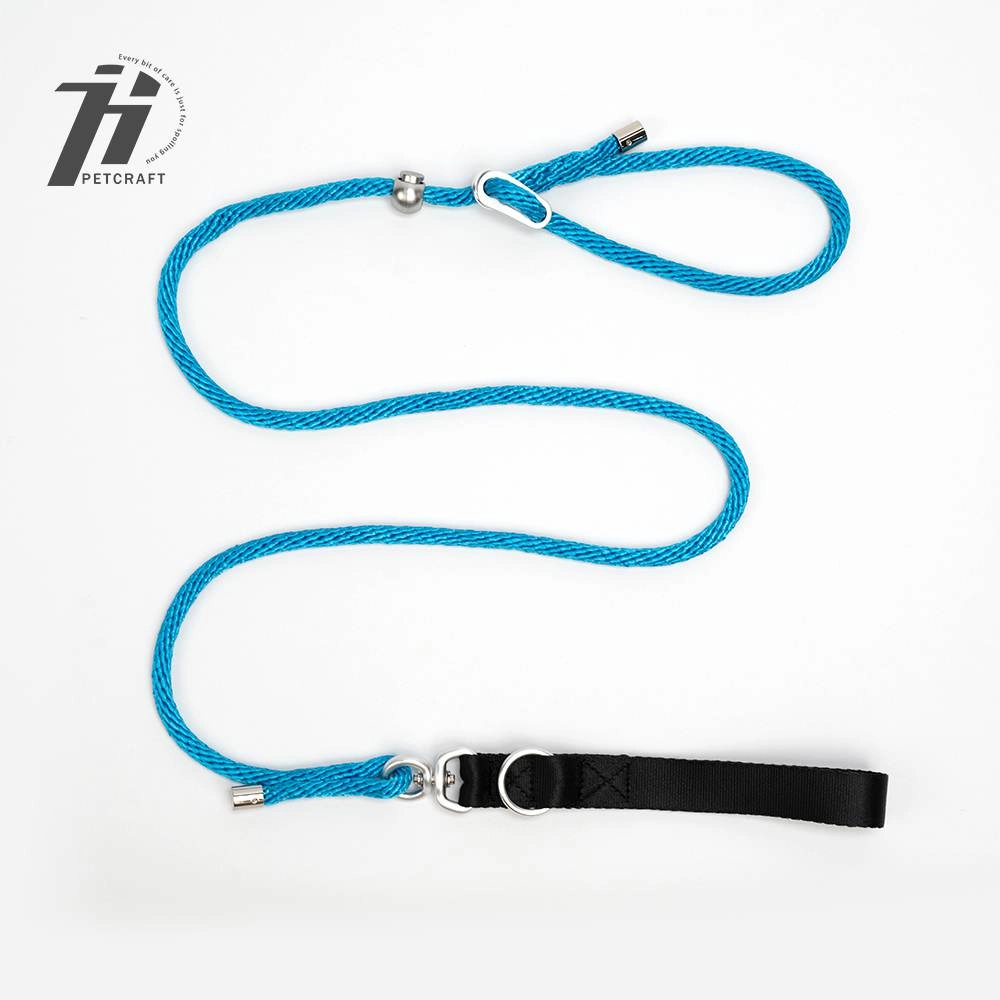
The secret to a genuine ocean friendly leash lies in two main parts: the strap material and the hardware. Modern high-quality leashes skip woven fabrics entirely. Instead, they use a strong inner core coated with TPU (Thermoplastic Polyurethane) or PVC. This smooth, rubber-like coating means water, oil, and mud slide right off. You can drag it through a muddy tidal pool, and it wipes completely clean in five seconds with a dry towel. There is no waiting for it to dry, and zero wet-dog smell.
Then comes the hardware. You want aviation-grade aluminum or marine-grade stainless steel. These metals naturally resist the harsh chemical reactions caused by saltwater. If you are tired of throwing away stiff, rusty leads, switching to a lightweight, completely sealed option is the answer. For a great example of this design in action, the Holydog C005 series dog leash shows how flexible, waterproof materials keep both the dog and the owner comfortable during long, active beach days.
Choosing the Right Saltwater Resistant Leash for Heavy Pullers
Big dogs bring massive energy to the beach. A 75-pound Labrador charging into the crashing waves puts huge stress on the leash connection point. Weak, rusty hardware will absolutely fail under that kind of pressure, creating a dangerous situation.
Balancing Hardware Strength and Coastal Elements
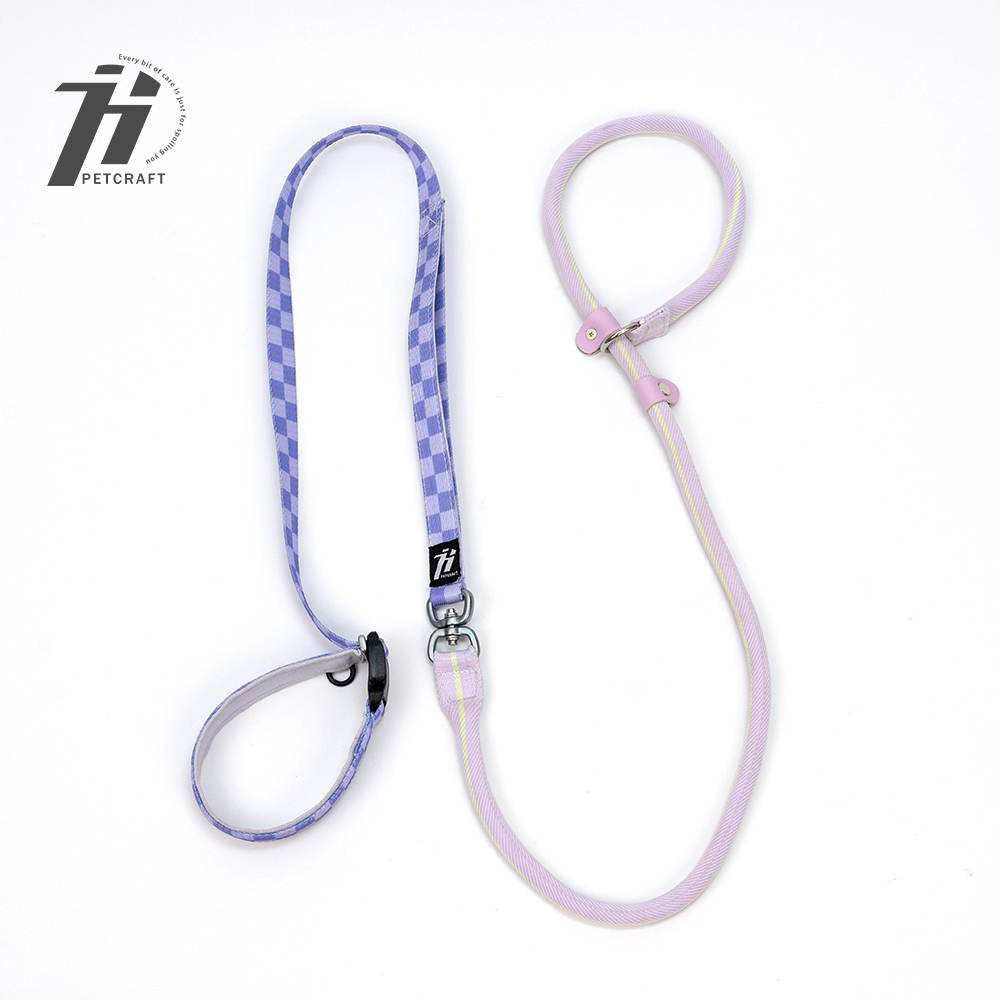
A dependable, durable dog lead has to manage fierce, quick tug power while fully opposing decay. Numerous low-price leads employ large hooks to fool you into viewing them as sturdy, but they consist of inexpensive soft metal that grows fragile upon rusting. You require fittings that preserve their full build wholeness no matter the number of sea immersions. Firmer hooks frequently include securing hook-style forms that block grit from entering the springs at all.
For owners of large, active breeds who need maximum control without sacrificing weather resistance, finding a heavy-duty build is absolutely non-negotiable. The robust construction found in the Holydog C002 dog leash offers the exact pulling strength and rust resistance needed for big dogs hitting the surf hard.
Locating the correct mix of tough power and enduring decay-opposition can prove a genuine challenge for pet companies seeking quality goods. If your enterprise grows its open-air collection, assessing a maker’s approach to high-use supplies marks your following sensible action to evade poor client feedback.
Moving Beyond Basic Designs in Pet Manufacturing
Creating a reliable beach dog leash is not just about grabbing a slightly better metal clip and sewing it on. It requires strict testing, smart design choices, and honest materials from the factory floor all the way to the final product in your hand.
Quality Control in Modern Pet Gear Production
Real durability comes from rigorous lab testing. The best factories put their hardware through continuous 48-hour salt spray tests to see exactly when and how a metal fails. They also run tensile strength machines to pull straps until they snap, making sure the leash can hold three to four times the weight of an average dog. This level of quality control separates cheap imported junk from premium outdoor pet gear.
If the stitching rots from saltwater, the strongest metal clip in the world will not save the leash. Every single component, from the thread to the D-ring, must be chosen for coastal survival. This is exactly where partnering with an experienced OEM/ODM manufacturer changes the game for pet brands. Having a factory that actually understands the chemistry of rust and the mechanics of dog behavior means you deliver products that live up to their packaging claims.
Making the Smart Switch to Better Beach Gear
The hidden costs of replacing cheap, broken leashes add up incredibly fast. Investing in a solid, rust-proof option saves money and keeps your dog safe over years of daily outdoor adventures, rather than just weeks.
Long-Term Value and Support for Dog Owners
Consider the figures for purchasing low-cost tools. Acquiring a $15 simple lead each three months due to its hardening and decay totals $60 yearly, along with the ongoing frustration of managing faulty devices. A superior saltwater resistant leash may demand a higher initial outlay, but it readily endures three to five years. It retains its vivid hue, avoids any moist animal scent, and the hook releases effortlessly each time you activate it.
Good brands also stand behind their materials. They offer clear warranties and responsive support because they know their products can actually survive the real world. You can check out Holydog’s service standards to see how proper customer support backs up high-quality manufacturing.
Time to Upgrade Your Outdoor Experience
Confront the reality: managing decayed, odorous leads that seize by the shore wastes effort and presents a major safety risk. Common nylon and low-cost metals simply endure the sea setting poorly, regardless of repeated cleanings. Whether as an animal guardian weary of discarding spoiled tools, or a pet company facing client issues over breaking hooks, the conventional lead production method fails now.
You need hardware that laughs at salt and coated webbing that completely repels water and sand. It is time to upgrade to a system built specifically for the harsh outdoors. Explore the full range of heavy-duty, rust-proof solutions at Holydog and contact us today to build or find the perfect gear for your next adventure.
FAQs
Q: What makes the best rust proof dog leash for the beach?
A: The best options use marine-grade stainless steel or aviation aluminum hardware paired with waterproof, odor-free PVC webbing.
Q: Can I just use my regular nylon leash at the ocean?
A: No. Nylon traps wet sand and bacteria, while standard metal hardware will quickly rust and jam up.
Q: How do I clean my saltwater resistant leash after a trip?
A: Simply rinse the waterproof dog leash under fresh tap water and wipe it completely dry with a towel.