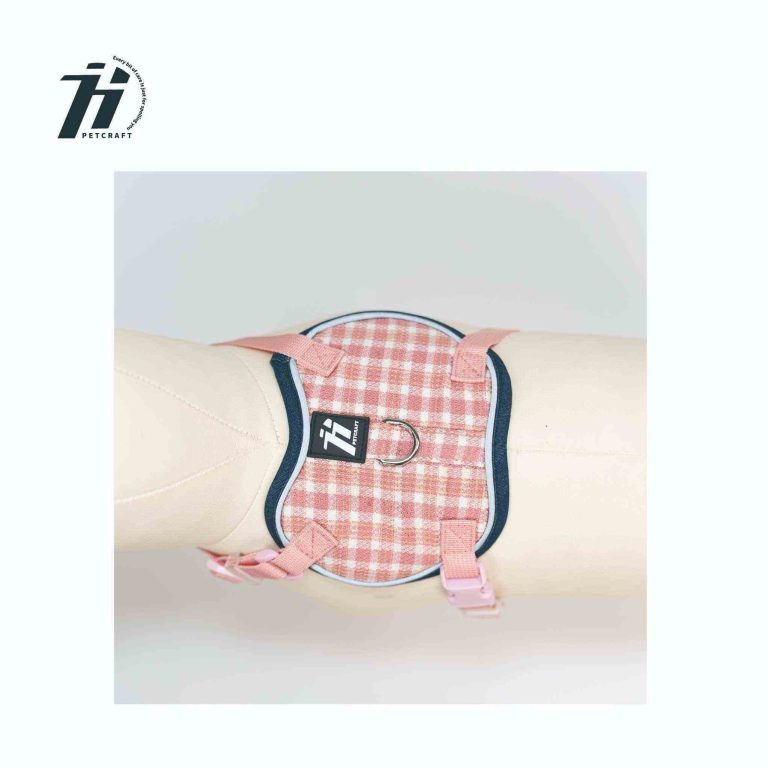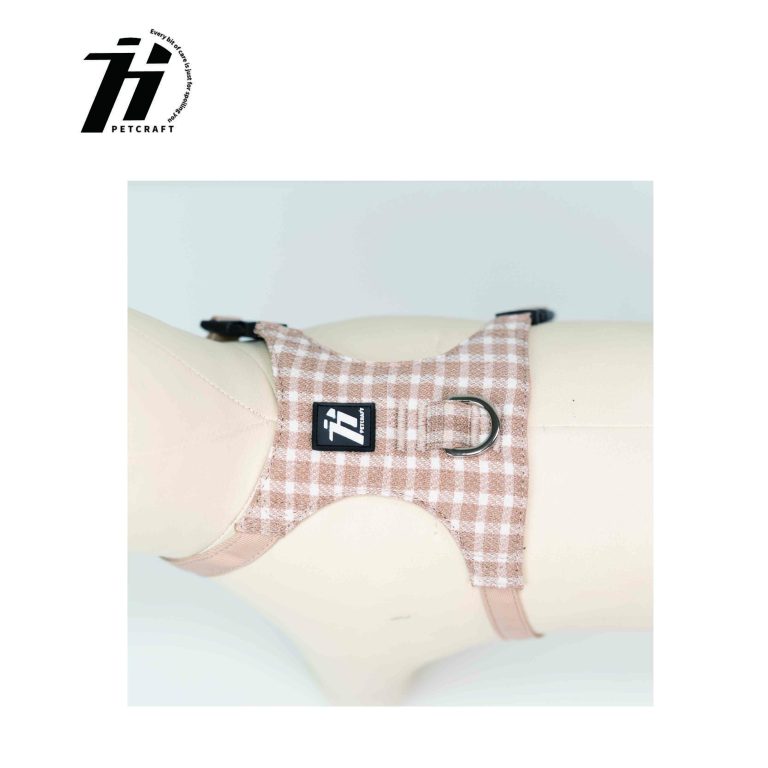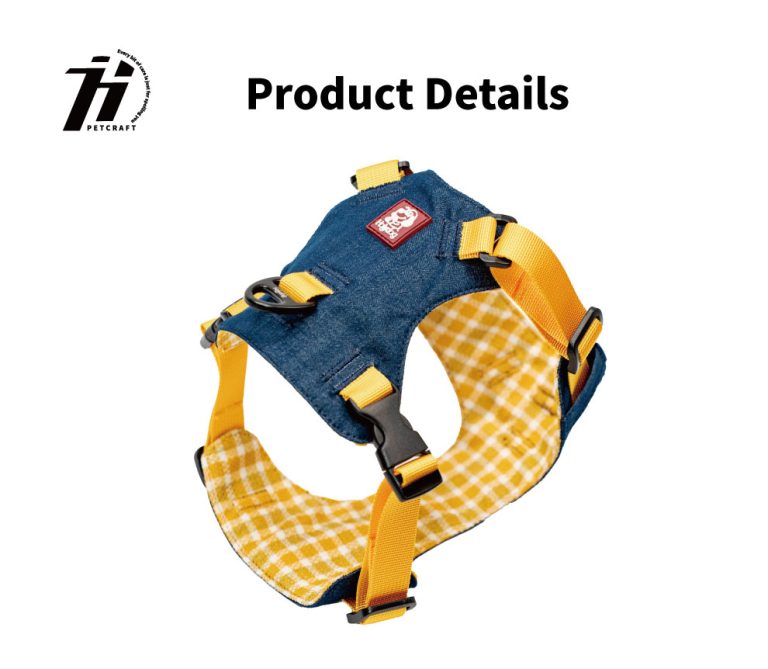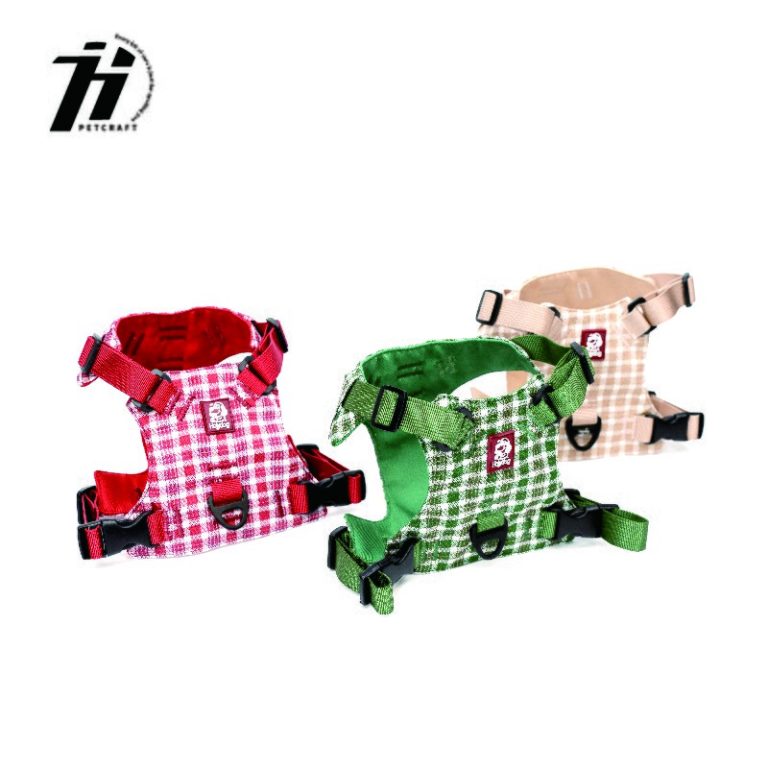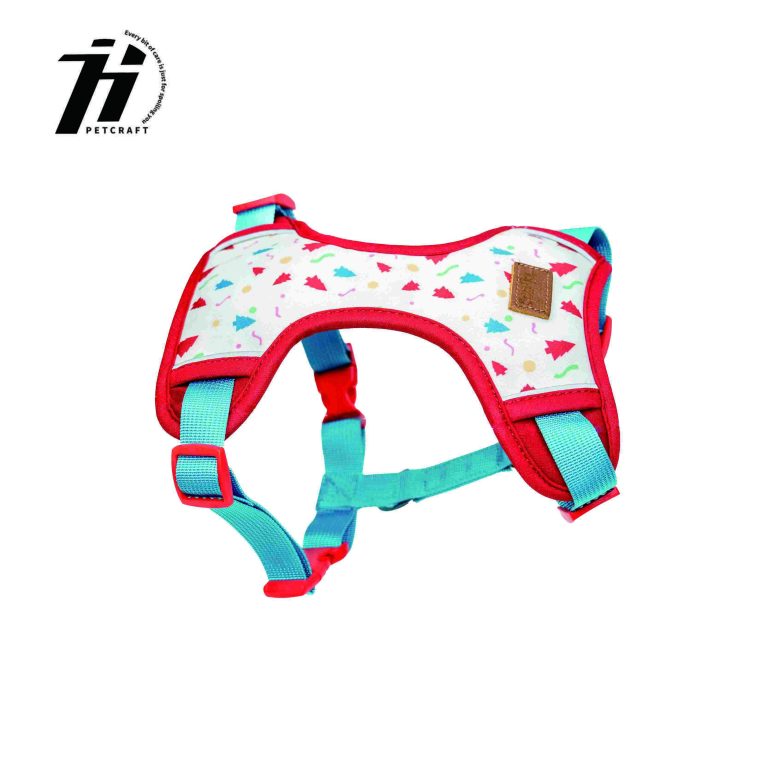
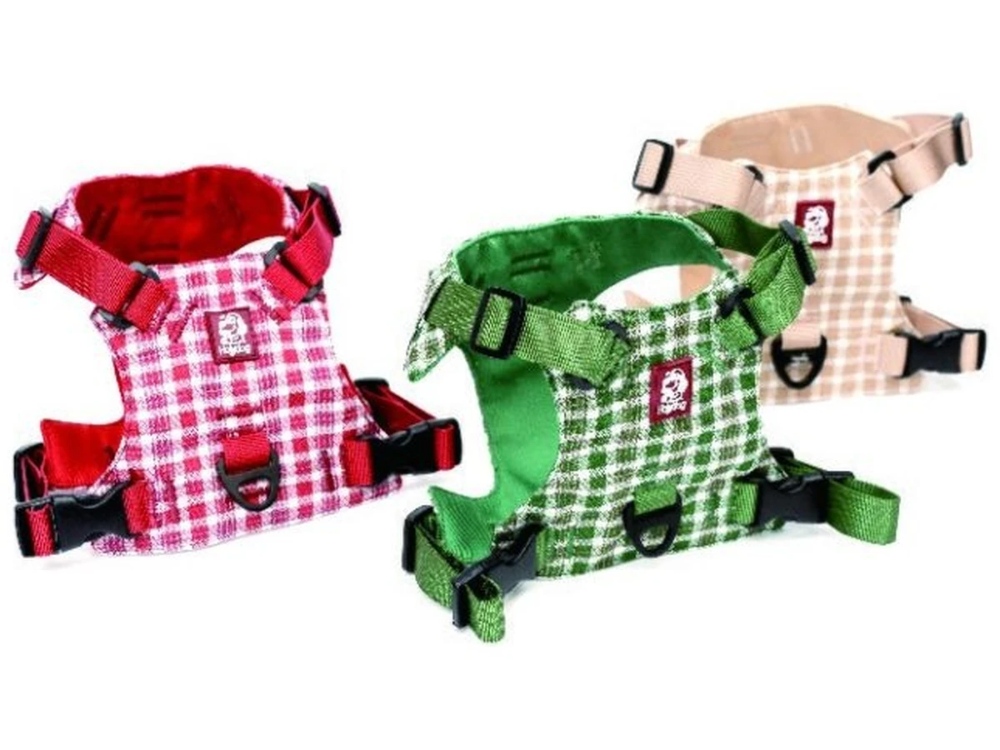
For pet brands and wholesale buyers, a cat harness is not just a smaller dog harness. Cats twist, flatten their shoulders, and back out of loose gear in ways that create fit complaints very quickly. The best cat harness for retail programs should feel light on the body, close the neck-and-chest gap, pair cleanly with a leash, and still look good enough for stores to merchandise as a set.
This is why buyers should treat the category as a sourcing decision, not a style add-on. Holydog develops pet walking products for brands, importers, and retail programs that need stable materials, custom colors, and repeatable production. For a cat line, the buying question is simple: can the harness reduce escape-related returns while giving retailers a clear product story?
Why Is Cat Harness Sourcing Different From Dog Harness Sourcing?
For procurement teams, the difference is not just animal size. It affects pattern shape, adjustment logic, testing method, and the retail claim printed on the package, so the first sourcing review should focus on movement control before color or trim.
Cats Escape Through Motion, Not Strength
A dog often pulls forward. A cat is more likely to crouch, rotate, or move backward until the harness loosens around the shoulders. That changes how buyers should judge a cat harness. Chest width, neck opening, buckle placement, and the leash attachment point all matter because a small fit gap can turn into an escape complaint after the first outdoor test.
For B2B buyers, this means sample checks should not stop at fabric hand feel. Ask the factory to show size grading, adjustment range, buckle resistance, edge finishing, and how the harness sits when light tension comes from behind. A clean showroom sample is useful, but the real test is how it behaves during nervous movement.
Retail Buyers Need a Product Promise They Can Defend
The phrase escape proof cat harness attracts search traffic, but no honest supplier should treat it as an absolute guarantee. A better retail promise is escape-resistant structure, secure adjustment, and calmer handling during outdoor walks or travel. That language still supports sales while keeping the claim realistic.
A brand also needs the product to make sense on the shelf. The harness, leash, hang tag, color card, and size chart should answer the questions store staff hear every week: Will this fit a small cat? Can it work for a kitten? Is the leash too heavy? Can the customer put it on without a struggle?
What Makes A Cat Harness More Escape Resistant?
Escape resistance comes from several small design decisions working together. Buyers need to review where the harness closes, how the straps adjust, how much of the body panel touches the chest, and whether the leash point holds tension without twisting the product out of position.
Neck and Chest Adjustment Close the First Fit Gap
The first place to inspect is the adjustment system. A good cat harness should let the wearer tighten the neck and chest separately, because cats are often narrow through the shoulders but rounder through the body. If one strap controls too much of the fit, the harness may look neat in photos but perform poorly across real sizes.
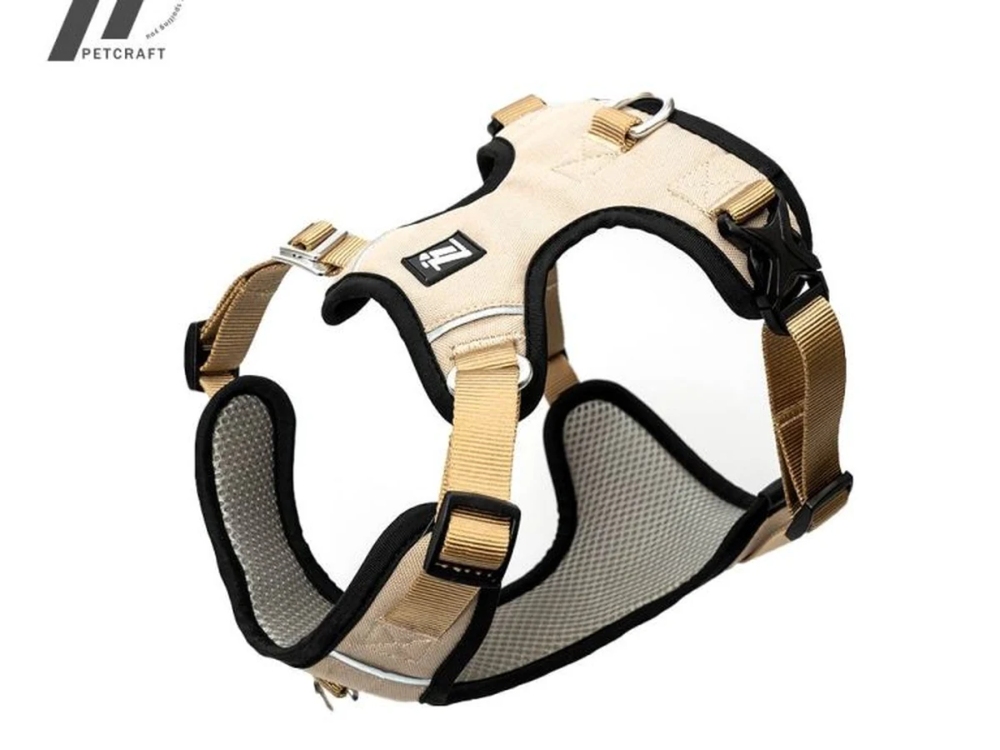
For an escape-resistant line, buyers should request samples across at least three sizes and test each one with the intended leash. This is also the stage to compare a plain sample against an anti-escape pet chest and back design, where breathable fabric and a more wrapped body shape can support better control for cats and small pets.
Body Coverage Should Add Control Without Heavy Bulk
More fabric is not always better. A bulky vest can feel warm, restrict movement, or make a cautious cat freeze before the customer even attaches the leash. A lighter body panel, soft binding, and breathable backing usually give a more balanced result for a travel cat harness or daily walking set.
The key is controlled contact. The harness should spread pressure across the chest and upper body instead of cutting into one narrow strap line. That detail matters to wholesale buyers because comfort complaints often become return reasons, especially when first-time cat owners buy the product after watching outdoor cat content online.
How Should Buyers Build A Cat Harness And Leash Set?
A set should be planned as one retail unit, not as a harness with a random leash added later. The leash weight, clip size, packaging, SKU logic, and color story all affect whether the product feels coherent to buyers and customers.
The Leash Must Match Cat Movement and Retail Positioning
A cat harness and leash set should feel lighter than a large dog walking set. The leash clip, rope thickness, and handle should match the size of the animal and the promise on the packaging. If the leash is visually heavy, customers may doubt the fit even before trying it.
For retail programs, the set also needs a clear price ladder. Entry-level colors can serve general stores, while a premium Dog Cat Style soft harness can support boutique shelves, gift packaging, or seasonal collections. This gives buyers more room to sell the same category without relying on one SKU.
Color and Size Planning Should Support Repeat Orders
Many pet brands lose margin when every color, size, and leash combination becomes a separate inventory problem. Before confirming a cat harness and leash program, buyers should decide which colors are core, which are seasonal, and which sizes deserve deeper stock. This keeps the line easier for distributors and online retailers to reorder.
A practical buying plan is to start with one neutral color, one high-visibility color, and one lifestyle pattern. The same logic can extend across the broader product range when a brand wants matching collars, leashes, or small-pet accessories later.
When Does A Travel Cat Harness Need Different Details?
Travel use raises the standard because customers handle the harness in less controlled settings. A buyer has to think about visibility, quick fit checks, surface durability, and whether the product story helps nervous owners use the item correctly.
Travel Use Adds Visibility and Quicker Checks
A travel cat harness has to work in messier moments: parking lots, carriers, outdoor cafes, vet visits, and short walks during road trips. Buyers should look for quick visual fit checks, reflective details, and material that can handle repeated handling without looking worn after a few uses.
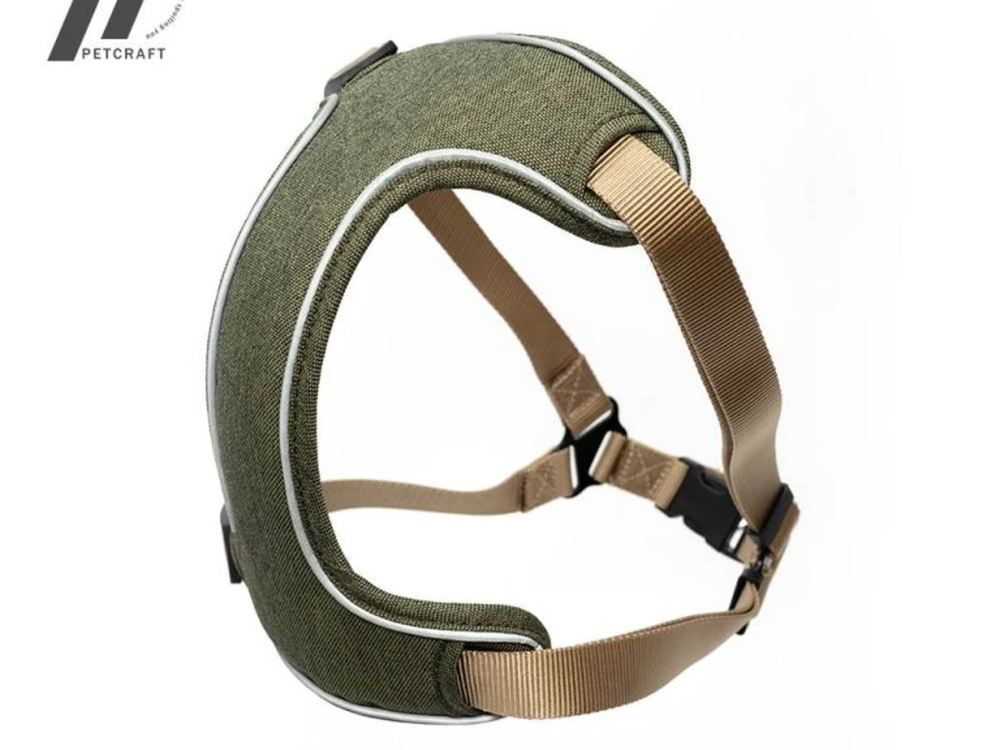
For this category, the pet travel chest and back carrier is a useful product direction because it combines water-resistant and abrasion-resistant materials with high-visibility reflective details for small and medium-sized pets. The value is not only outdoor style; it is easier inspection for owners and a stronger story for retail staff.
Packaging Should Explain Fit Before the Customer Opens the Product
Cat harness returns often begin before the first walk. A customer chooses by weight only, ignores chest girth, or buys a cute color without reading the size chart. For brands, better packaging can prevent a large share of those mistakes.
The package should show neck and chest measuring points, adjustment steps, and the right way to introduce the harness indoors first. This matters for the best cat harness claim because buyers are not only sourcing fabric and buckles. They are sourcing a product that store staff and end users can understand quickly.
What Should Pet Brands Confirm Before Sampling?
Sampling is where a promising design either becomes a sellable program or turns into a list of hidden corrections. Buyers should test the physical product, the merchandising materials, and the supplier response at the same time.
Sampling Should Test Fit, Hardware, and Merchandising Together
Before ordering bulk production, buyers should ask for samples in the intended size range, not just one showcase piece. Check whether the buckle feels secure but not stiff, whether the leash clip rotates smoothly, whether the trim stays flat, and whether the logo position still looks clean after adjustment.
This is also the right moment to discuss OEM/ODM details such as color matching, woven labels, hang tags, packaging, size charts, and leash pairing. A supplier that can handle these details early makes the final retail launch easier to control.
The Final Supplier Decision Should Include After-Sales Logic
A stable cat harness supplier should help buyers think beyond the first purchase order. Ask which complaints are most common, which adjustment points reduce return risk, and how future colors or materials can be added without rebuilding the entire line.
At this stage, buyers should request model-specific quotations, packing options, and sample timing rather than asking only for a general catalog. If your team is preparing a new cat walking line, Contact Us to review the target market, price level, size range, and packaging needs before sampling.
Conclusion
A strong cat harness line is built around fit control, realistic escape resistance, leash balance, and retail clarity. For pet brands, the goal is not to claim that one product can solve every cat behavior problem. The goal is to source a reliable, comfortable, and easy-to-sell harness program that reduces avoidable complaints.
The safest next step is to compare samples by movement, not only by appearance. If a model closes the neck-and-chest gap, pairs well with a light leash, and gives retailers a simple product story, it is much closer to an escape proof cat harness program that can support repeat orders.
FAQs
Q1: What is the main difference between a cat harness and a small dog harness?
A1: A cat harness needs closer control around the neck, chest, and shoulders because cats often twist or back out of loose gear. A small dog harness may fit by size, but it may not handle cat movement well.
Q2: Should brands use the term escape proof cat harness on packaging?
A2: It can be useful for search and category positioning, but the wording should stay realistic. Escape-resistant design, secure adjustment, and correct sizing are safer claims than promising absolute escape prevention.
Q3: How many samples should buyers test before bulk ordering?
A3: Buyers should test several sizes and at least one full cat harness and leash set. The sample review should include fit, buckle feel, leash weight, logo placement, packaging, and the size chart that retail customers will read.