Every pet owner knows the struggle. You grab the walking gear, and your dog or cat immediately runs under the sofa. If you are debating between a step in pet harness and an over head pet harness for an easily scared animal, the answer is clear: the step-in design wins almost every time. Animals, especially rescue pets or sensitive cats, have a natural instinct to protect their head and ears. Forcing a tight opening over their face triggers instant panic.
The most effective solution is choosing a wrap-around style that fastens from the back. Holydog builds an adjustable pet vest that solves this exact problem for both cats and dogs. By removing the head-hole struggle and providing a secure, calming wrap around the body, you immediately turn a stressful daily fight into a calm, easy routine. Let us look at why this specific gear adjustment changes everything for nervous pets.
Why Does Putting Gear on a Scared Animal Cause Panic?
Recognizing your animal’s specific fears completely changes how you handle walk time. A pet does not usually hate going outside; they hate the physical process of getting dressed. When we look at the mechanical differences between various designs, it becomes obvious why one style causes panic while the other feels completely natural.
Traditional Neck Openings Create Stress
Dogs and cats have highly sensitive ears and whiskers. An over head pet harness requires you to slide a fixed fabric loop directly past their eyes. This brief moment of restricted vision and ear flattening creates a feeling of being trapped. For a bold, confident dog, this temporary pressure is fine. But for a nervous rescue dog or a highly alert cat, that second of darkness builds negative associations. They start running away the moment they hear the metal clips jingling in your hands.
The Floor-Up Approach Works Better
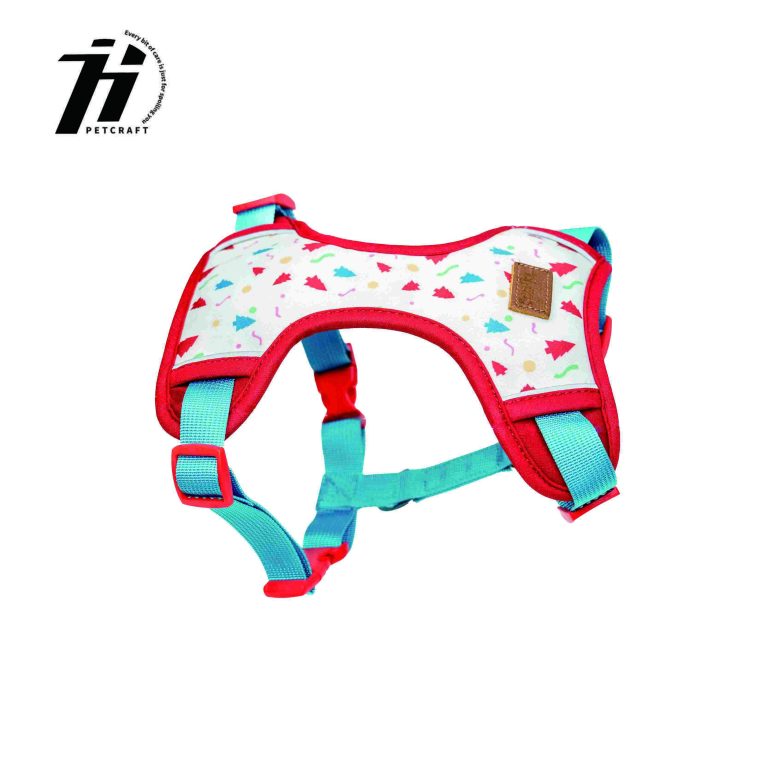
A step in pet harness operates on a completely different mechanical path. You place the equipment flat on the ground and simply guide their front paws into the open spaces. Then, you pull the side panels up and click the buckle securely on their back. The fabric never blocks their vision, and nothing ever touches their sensitive ears. It perfectly respects their personal space. Realizing that the head opening is the actual trigger for your pet’s fear means you can stop forcing the issue; changing how the gear goes on removes the daily stress entirely.
How Can a Harness Stop the Dangerous Backward Escape?
Getting the gear on peacefully is a great start, but safety outside remains the primary priority. Anxious animals are famous for the “backward wiggle,” where they suddenly reverse out of their straps when a loud car drives by. The structural shape of your equipment determines if they escape or stay safe.
Thin Strap Designs Leave Escape Gaps
Many standard walking tools consist of three thin nylon bands. When a scared animal drops their chest and pulls backward, those thin bands slip easily over their shoulders. A thin anxious pet harness simply does not cover enough surface area to catch the shoulder blades. This exact design flaw is why so many cats and small dogs successfully slip out and run away during sudden moments of panic in the park or on the sidewalk.
Full Body Vest Coverage Improves Security
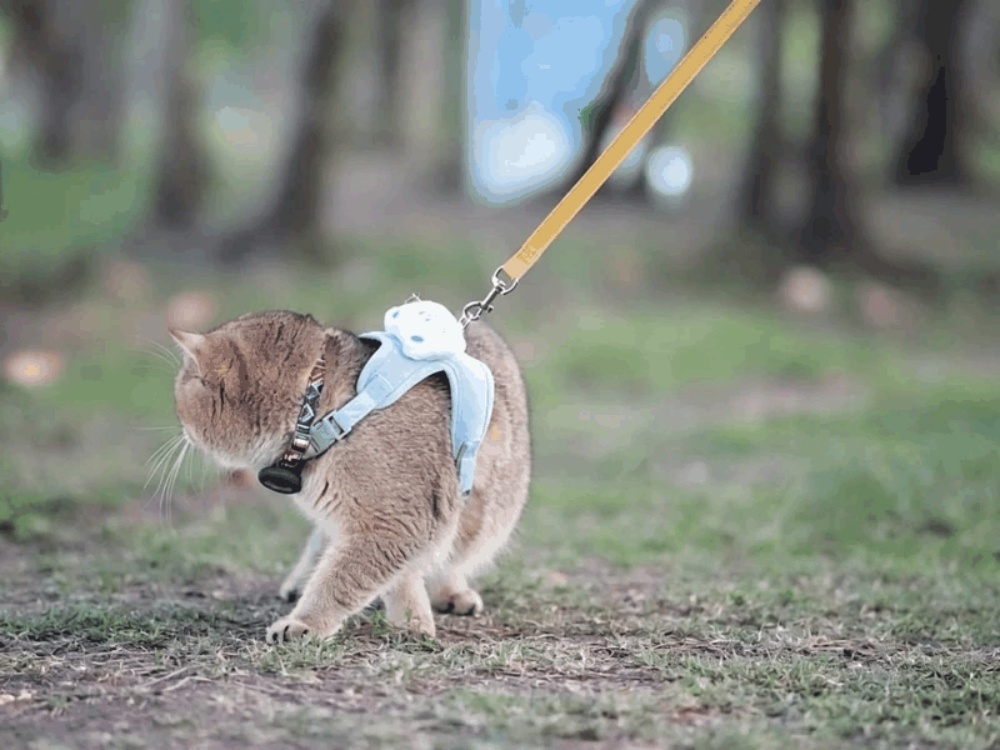
To completely stop the backward escape maneuver, you need a vest harness for cats or a vest harness for dogs. This specific shape acts like a tailored jacket. It wraps fully around the chest and ribs. When the animal tries to back out, the wide fabric panels catch firmly against the back of the front legs and shoulders. They physically cannot squeeze through the armholes. If your current walking gear leaves large open gaps around your pet’s shoulders and neck, upgrading to a full-coverage vest is the most practical way to eliminate the risk of an accidental escape.
Why Does Physical Comfort Help Calm Anxious Pets?
Mental fear is very often mixed with physical discomfort. If a piece of equipment pinches the skin or rubs aggressively against the armpits during a thirty-minute walk, the animal will remember that pain. True anxiety relief requires a material that feels like a gentle, constant hug rather than a restrictive cage.
Soft Materials Reduce Chafing and Redness
Hard nylon edges act like sandpaper against soft fur, especially on smaller breeds with delicate skin. A truly soft pet harness fixes this by using layered materials. High-density polyester on the outside prevents ripping, while a soft, breathable non-woven lining sits directly against the skin. This dual-layer approach distributes the pulling pressure evenly across a wide area. It stops the harsh friction that causes bald spots and painful red rashes under the front legs.
Adjustable Fit Supports Different Body Shapes
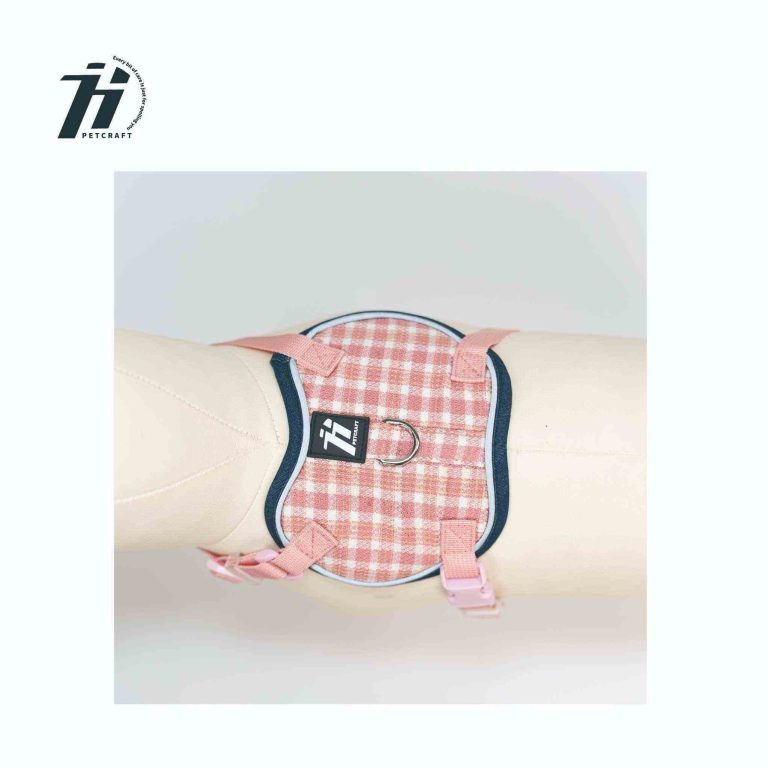
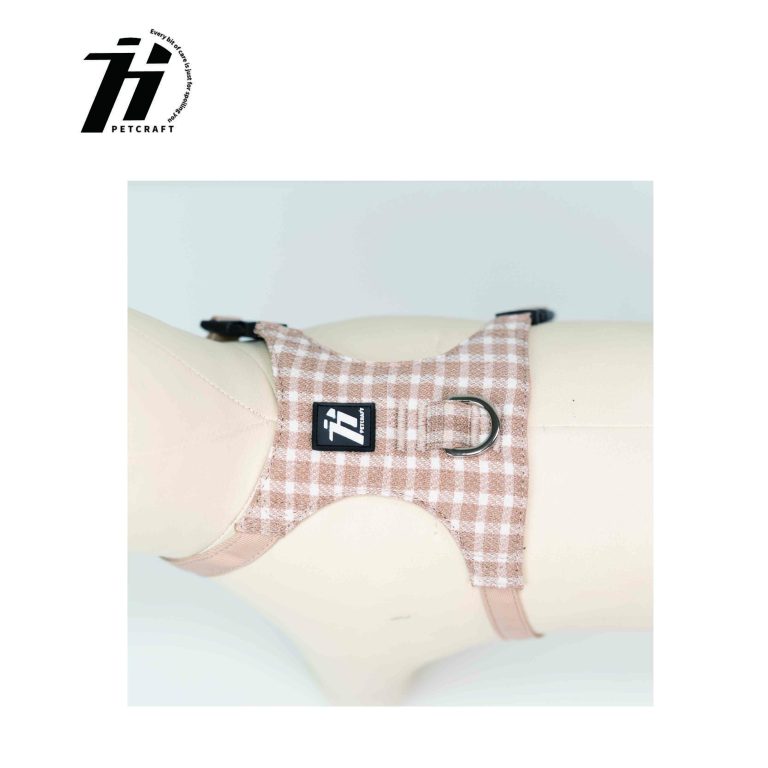
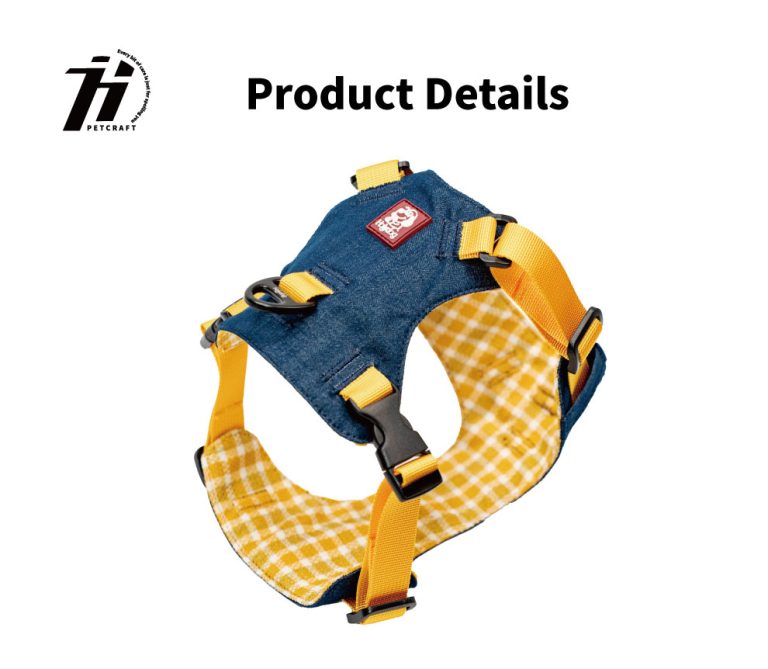
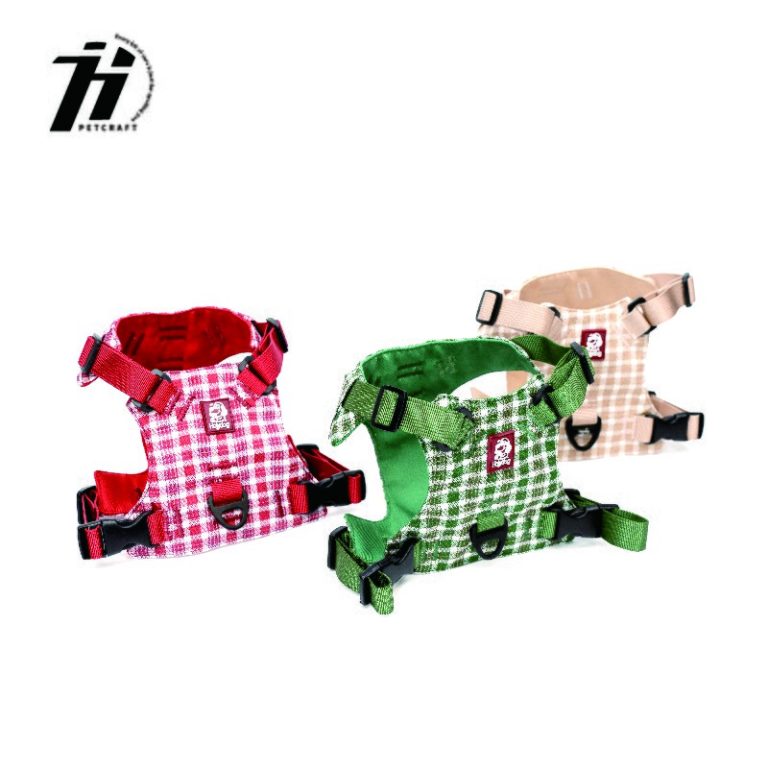
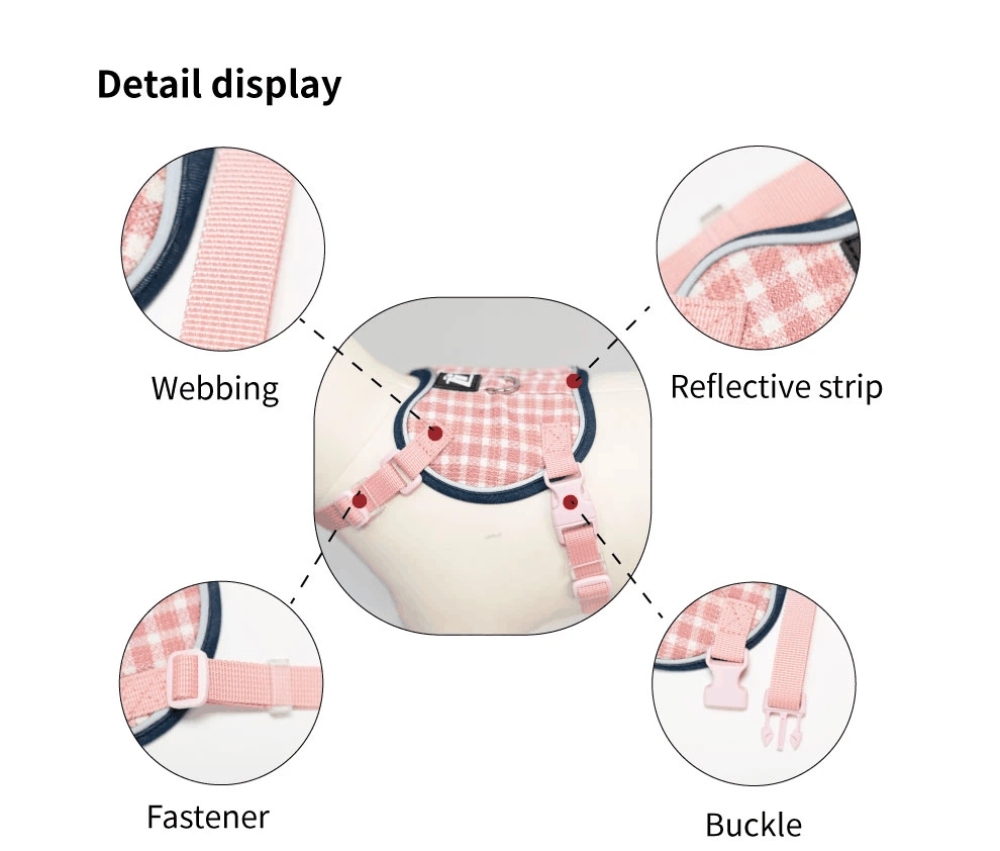
A vest only works correctly if it fits tightly. A loose vest will still allow a flexible animal to escape. You need an adjustable pet vest equipped with strong POM buckles. These specific adjustment points let you tailor the fit for a deep-chested French Bulldog or a very slim Siamese cat. The Holydog Plaid Soft Vest serves as a perfect example of this adaptable design. It uses a stylish plaid pattern while integrating multi-point adjustments and rust-proof alloy D-rings. It supports animals weighing from 4kg to 32kg, proving that you do not have to sacrifice modern fashion to get medical-grade security.
What Should Pet Brands Check Before Sourcing Harnesses?
For retail business owners and pet brands, sourcing an anxious pet harness that actually works in the real world is a major challenge. Customers will quickly return products that break or fail to stop escapes. You need a production partner that understands the actual physics of animal movement and fear.
Factory Testing Protects Product Reliability
A reliable vest harness for dogs must hold together when a 20kg animal pulls with all their strength. Small workshops often use cheap plastic parts that shatter in cold weather. Professional manufacturing requires strict material testing. Operating from Hangzhou, Holydog brings 21 years of experience in protective equipment. Our 14,000-square-meter facility houses over 400 advanced sewing machines. We test our alloy parts to handle heavy loads, making sure the hardware never fails when an anxious dog suddenly lunges at a passing bicycle.
Custom Production Supports Growing Pet Brands
Building your own line of a soft pet harness requires flexibility from your factory. We offer a low minimum order quantity of just 500 pieces, allowing new brands to test the market without massive financial risk. Whether you need custom screen printing, special fabric colors, or specific sizing adjustments for unique breeds, our design team manages all the technical details. We invite you to review our comprehensive OEM and ODM capabilities to see exactly how we help global brands create high-quality, reliable walking gear.
What Is the Best Harness Choice for Anxious Pets?
Walking an anxious pet should never feel like a daily battle. When you rely on standard, thin-strap gear, or tools that force a struggle over the head, you only increase their fear and elevate the risk of a dangerous escape. Those common methods simply do not provide the physical wrap and psychological comfort a nervous animal requires to feel safe outdoors.
Shifting to an adjustable pet vest changes the entire walking experience. It offers a secure, step-in process and full-body coverage that calms the pet and gives the owner total peace of mind. If you are a pet owner tired of the daily struggle, or a business looking to supply top-tier protective accessories to your retail customers, it is time to upgrade your equipment. Contact Holydog today to explore our proven manufacturing solutions and bring the safest walking gear to your market.
FAQs
Q1: Why is a step in pet harness better for cats?
A1: It avoids touching their highly sensitive ears and face, heavily reducing panic during the dressing process.
Q2: Can a vest harness for dogs actually prevent pulling?
A2: Yes. The wide chest panels distribute force evenly, reducing the physical urge to pull while preventing throat choking.
Q3: What makes an anxious pet harness truly escape-proof?
A3: A snug, adjustable pet vest with multiple points of adjustment physically prevents the animal from backing out.